Spirit vs. Wine Equivalency Calculator
Input Your Drink Details
*Standard UK Unit = 10ml of pure ethanol.
Result Summary
Equivalencies (Same Units)
Enter details to see how your drink compares to other beverages in terms of pure alcohol content.
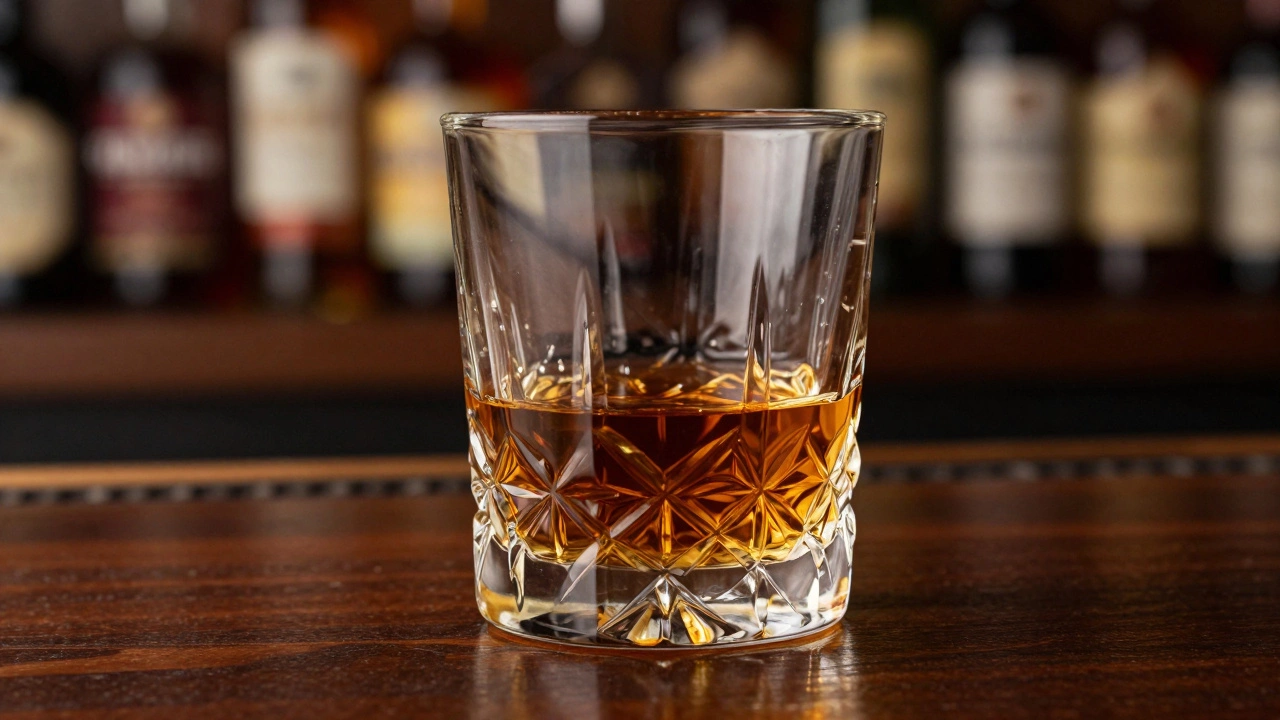
You pick up a bottle of whiskey at the store. The label says it contains alcohol. You pour a shot into a glass. Your friend calls it a spirit. Are you drinking two different things? The short answer is no. But if you are preparing for a spirits tasting, understanding the distinction between these terms matters more than you might think.
In chemistry, in the law books, and on your bar menu, "alcohol" and "spirit" mean very different things. One is a broad category; the other is a specific product type. Confusing them leads to bad health estimates, poor cocktail choices, and missed nuances when you are trying to taste what is actually in the glass. Let’s clear up the confusion so you can drink smarter.
The Chemical Reality: It Is All Ethanol
At the molecular level, there is no difference between the alcohol in your beer, the wine in your glass, and the spirit in your tumbler. They all contain ethanolthe specific organic compound (C2H5OH) safe for human consumption in moderation.
In science class, "alcohol" refers to a whole family of chemical compounds that share a hydroxyl group attached to a carbon atom. This family includes methanol (wood alcohol, which is toxic), isopropanol (rubbing alcohol, also poisonous), and ethanol. When we talk about drinking, we are always talking about ethanol. It is the only alcohol in that family that humans have evolved to metabolize without immediate death.
So, chemically speaking, the ethanol molecule in a shot of vodka is identical to the ethanol molecule in a pint of lager. The difference lies not in the ingredient itself, but in how much of it is packed into the liquid and how it got there.
From Fermentation to Distillation: How Spirits Are Made
To understand why spirits are distinct, you have to look at production. Alcoholic beverages fall into two main buckets based on their creation process: fermented and distilled.
Beer and wine are fermented. Yeast eats sugar from grains or grapes and turns it into ethanol and carbon dioxide. Nature puts a hard cap on this process. Once the alcohol concentration hits about 15% ABV (Alcohol By Volume), the yeast dies. That is why you never find a naturally fermented beer with 40% alcohol. It is biologically impossible.
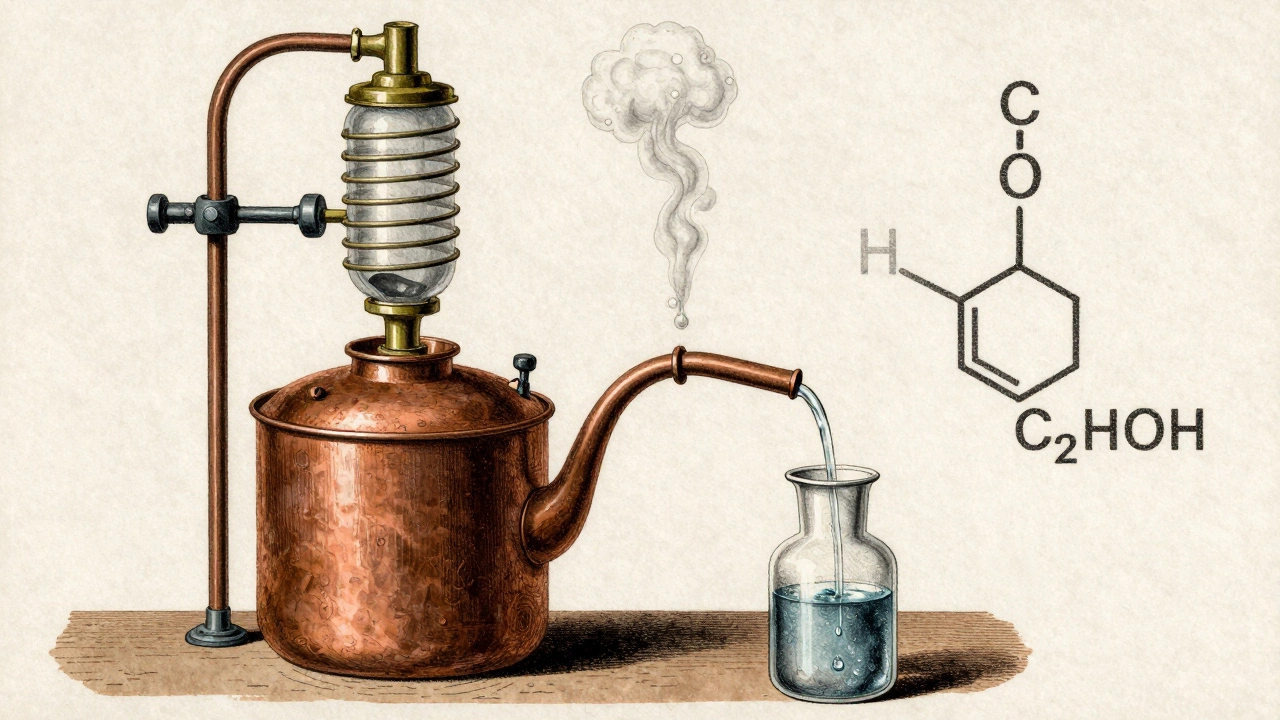
Spirits break this limit through distillation. This ancient technique, documented as far back as the 8th century by scholars like Jabir ibn Hayyan, separates liquids based on their boiling points. Ethanol boils at roughly 78°C, while water boils at 100°C. By heating a fermented mash and capturing the vapor, producers collect a liquid that is much richer in ethanol. This concentrate is then diluted back down with water to bottling strength.
This process changes everything. It concentrates not just the alcohol, but the flavor compounds derived from the base ingredients-barley for whisky, agave for tequila, sugarcane for rum. A spirit is essentially a concentrated expression of its source material, stripped of water and many impurities.
Defining the Lines: What Makes a Drink a Spirit?
If fermentation creates beer and wine, and distillation creates spirits, where do the legal lines get drawn? Regulations vary by region, but they generally hinge on two factors: method and strength.
In the European Union, Regulation (EU) 2019/787 defines a "spirit drink" as an alcoholic beverage produced by distillation, maceration, or flavoring of agricultural ethyl alcohol, containing at least 15% ABV. In the United States, the Alcohol and Tobacco Tax and Trade Bureau (TTB) defines distilled spirits simply as an alcoholic beverage that is distilled and is not wine or malt beverage.
While laws set minimums, industry standards tell a clearer story. Base spirits like vodka, gin, rum, and whisky are typically bottled between 35% and 50% ABV. If a drink is below this range and hasn't been distilled, it isn't a spirit. If it has been distilled but sweetened heavily with sugar and fruit, it enters the gray area of liqueurs.
| Category | Production Method | Typical ABV Range | Key Characteristic |
|---|---|---|---|
| Beer | Fermentation of grains | 4-6% | Carbonated, hoppy/bready flavors |
| Wine | Fermentation of fruit juice | 10-15% | Fruity/tannic, un-distilled |
| Spirit / Liquor | Distillation of fermented mash | 35-50% | High concentration, unsweetened base |
| Liqueur | Spirit + Sugar + Flavorings | 15-30% | Sweet, flavored, lower ABV |
Spirit vs. Liquor vs. Liqueur: The Naming Game
Confusion often spikes when people hear the words "liquor" and "liqueur." In American English, "liquor" and "spirit" are synonyms. They both refer to distilled, high-proof beverages. A bottle of bourbon is a spirit and a liquor.
Liqueur is different. A liqueur starts with a spirit but adds significant amounts of sugar, honey, or other sweeteners, along with flavors from fruits, herbs, spices, or nuts. Think of Baileys Irish Cream, Cointreau, or Amaretto. Because of the added sugar and dilution, liqueurs usually have a lower ABV than base spirits. They are sweet cocktails in a bottle, whereas spirits are the neutral or flavorful canvas upon which those cocktails are built.
When you are reading a recipe or a menu, this distinction is crucial. Asking for "spirit" implies a dry, strong base. Asking for "liqueur" implies sweetness and flavor complexity. Using one instead of the other will completely derail your drink.
Why the Distinction Matters for Tasting
If you are attending a spirits tasting, treating "spirit" and "alcohol" as interchangeable terms will hurt your experience. Here is why precision matters:
- Flavor Concentration: Because spirits are distilled, they carry intense aromatics. A whisky tasting focuses on notes of oak, vanilla, smoke, and grain. A beer tasting looks for hops and malt. You use different sensory tools for each. You swirl a spirit to release volatile esters; you sip beer to appreciate carbonation and mouthfeel.
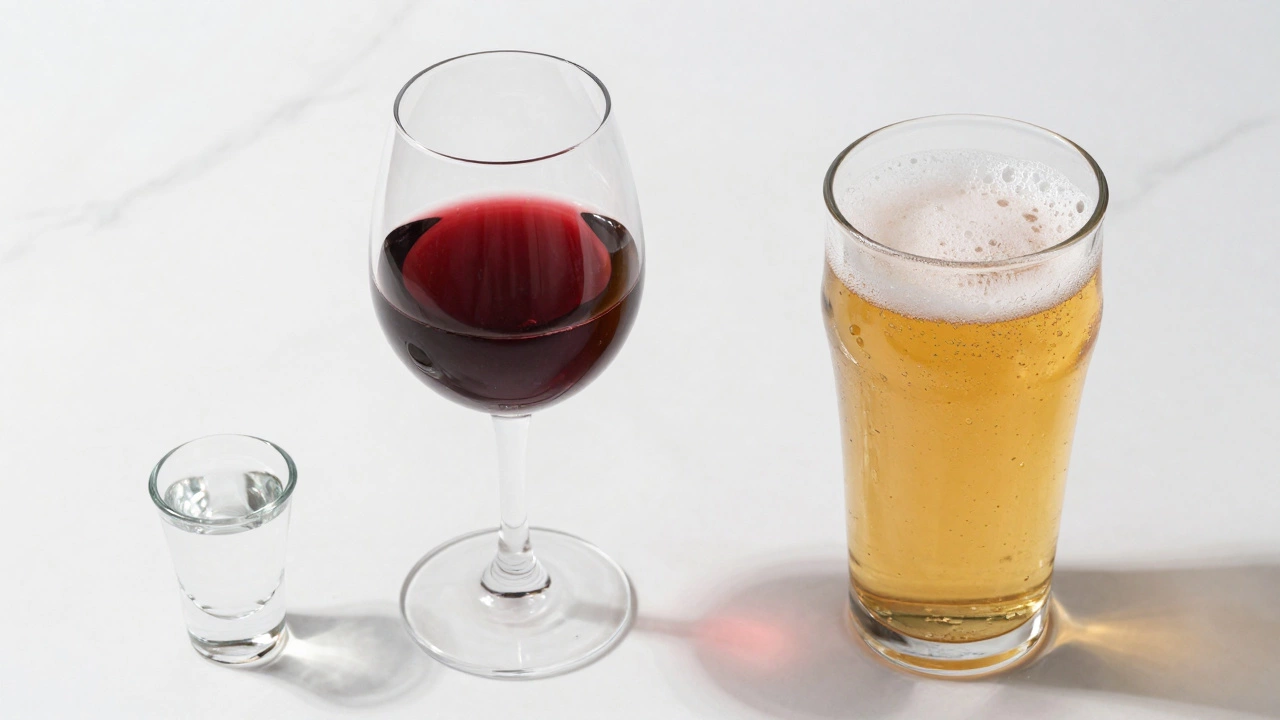
- Health and Units: Public health guidelines measure intake in units of pure ethanol. In the UK, one unit is 10ml of pure alcohol. A standard 25ml shot of 40% ABV spirit contains exactly one unit. However, because spirits are dense with alcohol, it is easy to consume multiple units quickly. A single glass of wine (175ml at 13%) contains about 2.3 units. Recognizing that a "spirit" delivers a higher dose of ethanol per milliliter helps you pace yourself during long tasting events.
- Mixology Potential: Spirits are modular. Vodka provides texture and heat; gin adds botanical complexity; rum brings sweetness and spice. Understanding that these are distinct entities within the broader "alcohol" category allows you to choose the right tool for the job. You wouldn't use a sweet liqueur as a base for a dry martini, just as you wouldn't use beer to make an old fashioned.
Safety First: Know What You Are Drinking
The term "alcohol" is dangerously broad outside of the beverage context. In a hardware store, "alcohol" might refer to isopropyl alcohol, used for cleaning electronics. In a laboratory, it might be methanol. These substances are chemically similar to ethanol but metabolize into toxic compounds that can cause blindness or death.
Spirits sold in licensed retailers are strictly regulated. They must contain potable ethanol and meet safety standards for contaminants like fusel oils and methanol residues. Never consume anything labeled as industrial solvent, rubbing alcohol, or fuel-grade ethanol. The distinction between "beverage alcohol" and "chemical alcohol" is a matter of life and death.
Conclusion: Precision Enhances Pleasure
So, is spirit different from alcohol? Chemically, no. Categorically, yes. Alcohol is the umbrella term for the substance and the general class of drinks. Spirit is a specific subset defined by distillation, higher strength, and lack of added sugar.
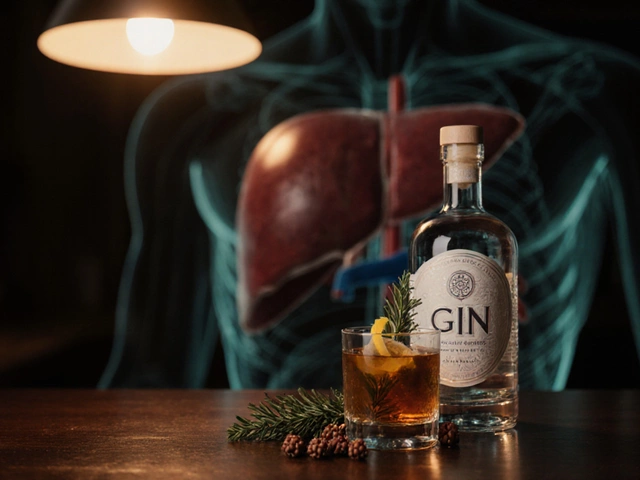
Embracing this distinction makes you a better consumer. It helps you navigate menus, understand labels, respect health guidelines, and appreciate the craft behind the bottle. Next time you order a drink, know whether you are asking for a fermented brew or a distilled spirit. Your palate-and your liver-will thank you.
Is whiskey considered a spirit or alcohol?
Whiskey is both. It is an alcoholic beverage because it contains ethanol. Specifically, it is a spirit (or liquor) because it is produced by distilling a fermented grain mash and aging it in wooden casks. All whiskeys are spirits, and all spirits are alcoholic.
What is the difference between liquor and liqueur?
Liquor (synonymous with spirit) is a distilled, high-proof beverage that is typically unsweetened, such as vodka, gin, or rum. Liqueur is made by adding sugar and flavorings (like fruit, herbs, or cream) to a base spirit. Liqueurs are sweeter and usually have a lower alcohol content than straight liquors.
Does spirit have more alcohol than wine?
Yes, significantly. Spirits are typically bottled between 35% and 50% ABV, while wines usually range from 10% to 15% ABV. This means a small shot of spirit contains roughly the same amount of pure ethanol as a full glass of wine.
Can you get drunk on non-alcoholic spirits?
No. Non-alcoholic spirits are crafted to mimic the flavor profile of traditional spirits but contain little to no ethanol (usually less than 0.5% ABV). Since they lack the intoxicating agent, they will not cause drunkenness.
Why are spirits taxed differently than beer?
Governments tax alcohol based on volume and strength. Because spirits have a much higher concentration of pure alcohol per liter compared to beer or wine, they incur higher excise duties. This reflects the greater public health impact associated with consuming high-proof beverages.
Categories