Vodka Origin & Ban Checker
Enter a vodka brand name below to determine its current status in the United States market based on Executive Order 14068.
You walk into your local liquor store looking for a bottle of Russian Standard or maybe some Beluga. You scan the shelves. They’re empty. Or worse, you find them gathering dust at a discount, leftovers from a different era. It’s not a supply chain glitch or a seasonal shortage. For all intents and purposes, genuine Russian vodka has vanished from American retail.
If you’ve been wondering why your favorite Moscow-style spirit is suddenly hard to find, or if you’re confused about whether brands like Smirnoff are still okay to buy, this guide breaks it down. We aren’t just talking about a few niche labels disappearing; we’re talking about a federal import ban that reshaped the spirits aisle. Here is exactly what is gone, why it’s gone, and what you can drink instead.
The Short Answer: What’s Gone?
Let’s cut through the noise. Since March 25, 2022, no new shipments of vodka distilled and bottled in the Russian Federation have entered the United States. This isn’t a suggestion from retailers; it’s law. The most prominent casualties include:
- Russian Standard: Including its Platinum and Gold variants. This was arguably the most recognizable mass-market Russian brand in the US.
- Beluga: A premium favorite among connoisseurs, including Beluga Noble, Gold Line, and Celebration editions.
- Green Mark: A budget-friendly option that frequently appeared on state-controlled shelves.
- ZYR: Known for its distinctive bottle shape, popular in certain urban markets.
- Mamont, Jewel of Russia, Imperia, and Russian Ice: These mid-tier and premium labels also saw their distribution halt.
- St. Petersburg Russian Vodka: Often confused with other brands, but legally barred due to origin.
These bottles didn’t just disappear overnight. Existing stock sold off slowly throughout late 2022 and 2023. By 2026, finding a fresh bottle of any of these is nearly impossible outside of specialty gray markets or private collections.
The Legal Reality: Executive Order 14068
Why did this happen? The root cause is Executive Order 14068, signed by President Joe Biden on March 11, 2022. This order prohibits the importation of "alcoholic beverages of Russian Federation origin." It wasn’t limited to vodka; it covered beer, wine, vermouth, and other spirits too. But vodka took the biggest cultural hit because of its symbolic association with Russia.
The U.S. Treasury’s Office of Foreign Assets Control (OFAC) clarified that this ban applies to origin, not just ownership. If the liquid inside the bottle was distilled in Russia, it cannot be imported. There was a brief wind-down period until March 25, 2022, allowing contracts signed before the order to finish delivery. After that date, U.S. Customs and Border Protection began refusing entry to Russian-origin alcoholic beverages at ports of entry.
This means that even if a brand is owned by a non-Russian company, if the production happens in Russia, it’s banned. Conversely, if a brand has a Russian name but is produced elsewhere, it remains legal. This distinction is where most consumer confusion lies.
The State-Level Bans: More Than Just Federal Law
Before the federal ban fully kicked in, individual states acted faster. Alcohol regulation in the US is a patchwork, and many states control liquor sales directly. In February 2022, governors in at least ten states ordered the removal of Russian-made vodkas from state-run stores. This accelerated the disappearance of these brands well before the federal deadline.
| State | Action Taken | Brands Affected |
|---|---|---|
| Ohio | Halted purchase and sale in ~487 stores | Russian Standard, Green Mark |
| Utah | Removed all Russian-made products | Russian Standard, others |
| Pennsylvania | Delisted Russian-made products | Russian Standard, Ustianochka |
| Virginia | Removed 7 specific brands | Beluga, Hammer & Sickle, Imperia, Mamont, Organika, Russian Standard, ZYR |
| New Hampshire | Pulled Russian-branded spirits | All Russian-made labels |
Private chains followed suit quickly. Publix, Kroger, and numerous independent bars voluntarily pulled Russian vodkas from shelves in early March 2022. While these were voluntary moves, they created a chilling effect. Retailers didn’t want to deal with the logistics of selling a product that might soon be illegal, nor did they want the bad PR associated with selling Russian goods during the initial phase of the conflict in Ukraine.
The Confusion: Brands That Aren’t Actually Russian
Here is the big trap for consumers. Many people assume that if a vodka sounds Russian, it is Russian. That’s incorrect. Two of the biggest names in the industry-Smirnoff and Stolichnaya-are often mistaken for Russian products, but they remain widely available in the US.
Smirnoff is owned by Diageo, a British multinational, and is primarily produced in the United States and other non-Russian locations. Its history is rooted in Russia, but its current manufacturing footprint is global. You can buy Smirnoff without violating any sanctions.
Stolichnaya (Stoli) is another major point of confusion. While historically associated with Russia, Stoli’s international production for the US market takes place in Latvia. Because the liquid is distilled in Latvia, it does not fall under the "Russian Federation origin" ban. Stoli remains on shelves across America.
Then there’s Hammer + Sickle. This brand uses Soviet iconography, leading many to boycott it. However, it is owned by the Klin Group, based in Massachusetts. Depending on the specific batch and production location, some Hammer + Sickle bottles were affected by state-level bans due to branding, but legally, if it wasn’t made in Russia, it wasn’t federally banned. Still, its visibility dropped significantly due to consumer perception.
Market Impact: Was It Even a Big Deal?
Symbolically, yes. Economically? Not really. According to data from the Distilled Spirits Council of the United States (DISCUS), Russian vodka accounted for only about 1.3% of total US vodka imports by value in 2021. That’s roughly $18.5 million out of $1.4 billion in total vodka imports. Compare that to France ($660 million) or the Netherlands ($291 million), and you see how small Russia’s slice of the pie actually was.
Most vodka consumed in the US is domestically produced or imported from Western Europe and Canada. The space left by Russian Standard and Beluga was quickly filled by brands like Tito’s (US), Ketel One (Netherlands), and Grey Goose (France). The removal of Russian vodka didn’t cause price spikes or shortages in the broader category. Instead, it shifted shelf space toward competitors who could capitalize on the vacuum.
For the brands themselves, however, the impact was severe. Without access to the world’s largest spirits market, Russian producers lost significant revenue streams. Re-entering the US market later would require rebuilding distribution networks that have since been claimed by other players.
What Can You Drink Now?
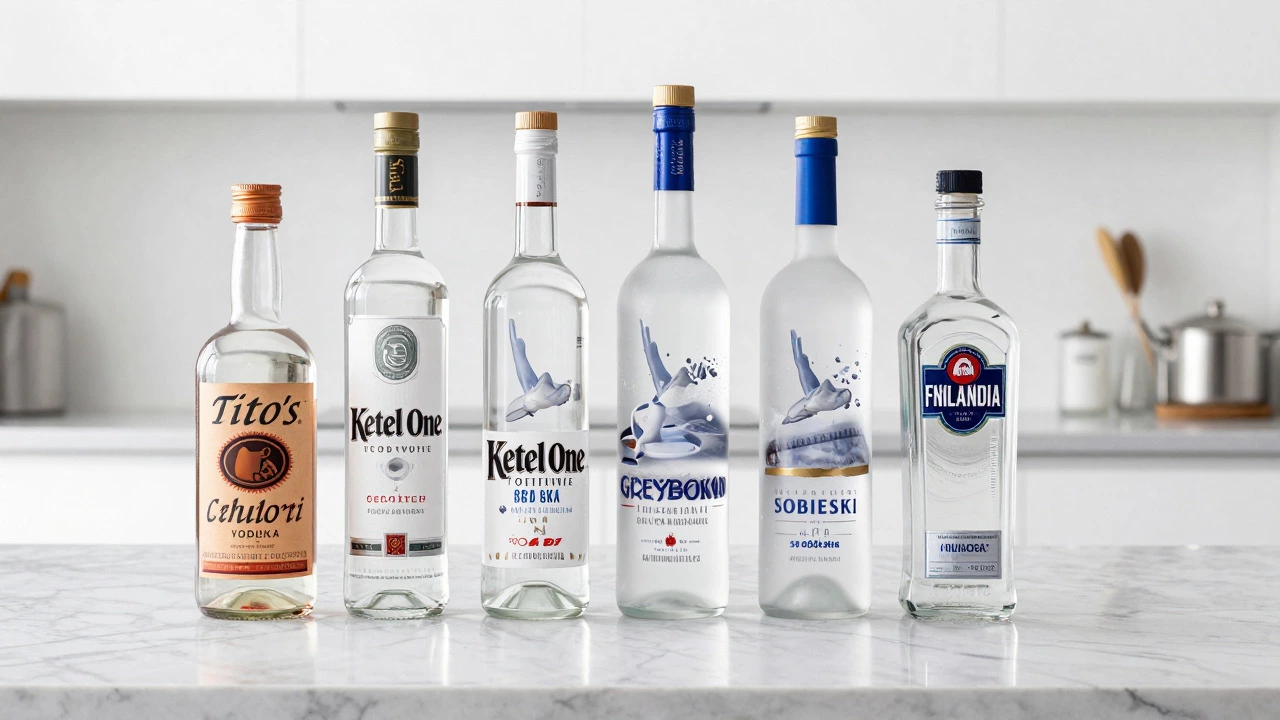
If you miss the specific taste profile of Russian vodka-often characterized by a clean, neutral finish with slight sweetness-you have options. Look for vodkas distilled from wheat or rye, as these grains are common in traditional Russian recipes.
- Tito’s Handmade Vodka (USA): Corn-based, very smooth, widely available.
- Ketel One (Netherlands): Wheat-based, crisp, a direct competitor to Russian Standard in many segments.
- Grey Goose (France): Premium wheat vodka, though pricier.
- Sobieski (Poland): Rye-based, offering a spicier note similar to some Russian styles.
- Finlandia (Finland): Barley-based, clean and accessible.
These alternatives don’t replicate the exact terroir of Russian water sources, but they satisfy the demand for high-quality, neutral spirits suitable for martinis or neat consumption.
Future Outlook: Will Russian Vodka Return?
As of August 2026, the ban remains in force. Sanctions tied to the ongoing geopolitical situation show no immediate signs of lifting. The US government has indicated that restrictions could broaden rather than narrow. Therefore, do not expect Russian Standard or Beluga to return to mainstream US shelves anytime soon.
If you encounter a bottle of "Russian" vodka today, check the label carefully. Look for the country of origin. If it says "Produced in Latvia," "Distilled in Poland," or "Bottled in the USA," it’s likely legal. If it explicitly states "Product of Russia," it’s either old stock (rare) or smuggled. Proceed with caution.
Is Smirnoff considered Russian vodka?
No. While Smirnoff originated in Russia, it is currently owned by Diageo, a UK-based company, and is primarily produced in the United States and other countries. It is not subject to the US import ban on Russian-origin alcohol.
Can I still buy Stolichnaya in the US?
Yes. Stolichnaya (Stoli) is largely produced in Latvia for the international market. Since it is not distilled in the Russian Federation, it remains legally available and widely distributed in the US.
Why was Russian Standard removed from shelves?
Russian Standard is distilled and bottled in Russia. Following Executive Order 14068 in March 2022, imports of alcoholic beverages of Russian Federation origin were prohibited. Additionally, several US states had already removed it from state-controlled liquor stores prior to the federal ban.
Are there any exceptions to the Russian vodka ban?
There are no standing general licenses for importing Russian alcoholic beverages. The ban applies to all vodka distilled in Russia. Personal imports for personal use may have different de minimis thresholds, but commercial retail sales of Russian-origin vodka are effectively halted.
Did the ban affect prices of other vodkas?
Minimal impact. Russian vodka represented less than 1.5% of the US market. Competitors like Tito’s, Ketel One, and Grey Goose absorbed the lost shelf space without significant price increases across the category.




Categories