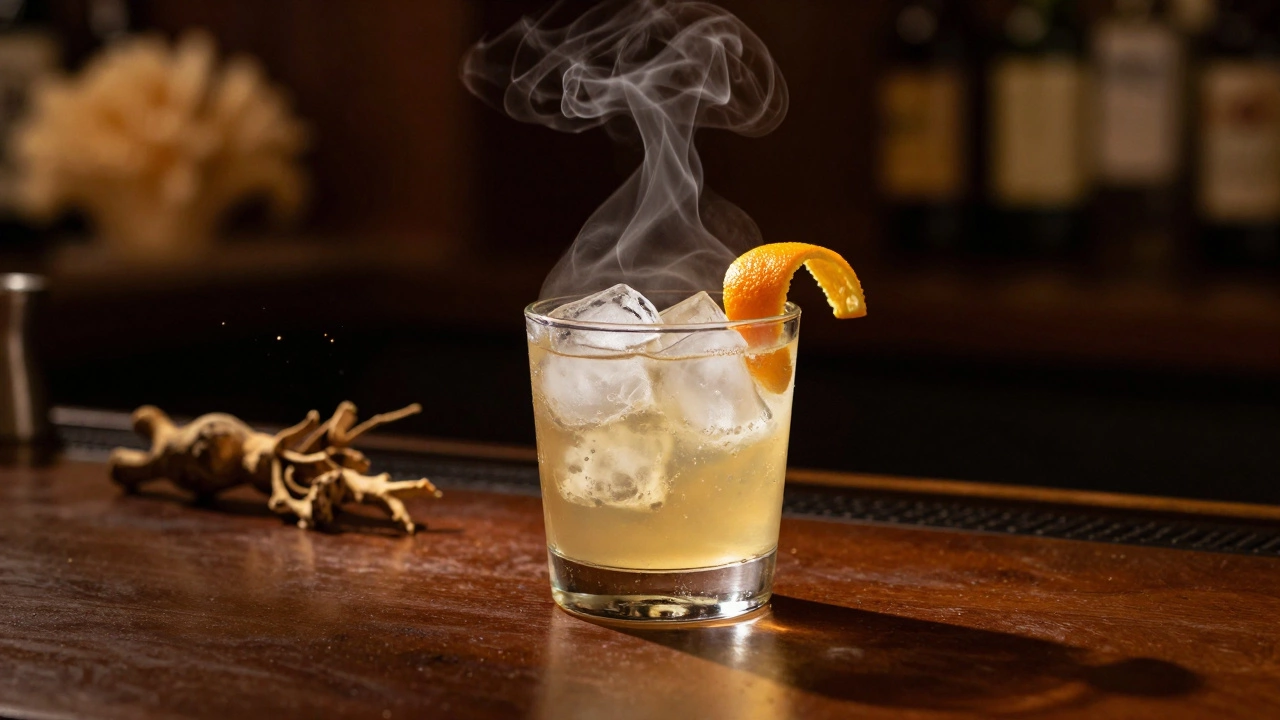
When you skip the alcohol, you don’t have to skip the experience. A nice non-alcoholic drink in 2026 isn’t just soda with a twist-it’s a carefully crafted sensory moment. It’s the fizz of sparkling water mixed with bitter orange and rosemary, the warmth of smoky agave notes without the burn, or the calm of lion’s mane and magnesium in a sip that feels like a deep breath. The days of watery lemonade or overly sweet juice as your only option are long gone. Today’s best non-alcoholic drinks are designed to do what alcohol used to: elevate a gathering, signal a transition, or simply make you feel good-without a single drop of ethanol.
It’s Not About Imitation Anymore
Early non-alcoholic spirits tried too hard to copy whiskey, gin, or tequila. They tasted like faint echoes. But in 2026, the best products don’t just mimic-they evolve. Brands like Three Spirit is a UK-based producer of non-alcoholic functional spirits infused with adaptogens like lion's mane, valerian root, and lemon balm. Also known as Three Spirit Livener and Nightcap, it was founded in 2020 and offers drinks designed for mood enhancement rather than flavor replication and Little Saints is a Miami-based brand offering non-alcoholic spirits powered by functional mushrooms like lion's mane and reishi, with products like St. Ember (mezcal substitute) and St. Oak (whiskey substitute) focus on how a drink makes you feel. Their ingredients-adaptogens, nootropics, calming herbs-are chosen not for their taste alone, but for their effect. A sip of Nightcap isn’t just herbal; it’s designed to help you unwind. A can of Aplós Ease isn’t just citrusy; it’s meant to quiet your nervous system.
This shift is why the market exploded. In 2020, non-alcoholic spirits were a novelty. Today, they’re a category. Sales grew over 120% in Europe since 2022, according to industry reports. People aren’t just drinking less alcohol-they’re demanding more from their drinks. They want complexity. They want ritual. They want something that fits into a Friday night, a Sunday brunch, or a quiet evening after work.
The Best Non-Alcoholic Spirits for Every Mood
Not all zero-proof drinks are made the same. Here’s what works best for different moments:
- For a relaxing night in: Three Spirit Nightcap is a non-alcoholic spirit with spicy vanilla, nutmeg, and wood tones, infused with lion's mane and valerian root to promote calm. It’s rich, slightly sweet, and deeply aromatic. Pour it over ice with a twist of orange peel. It’s the closest thing to a nightcap without the hangover.
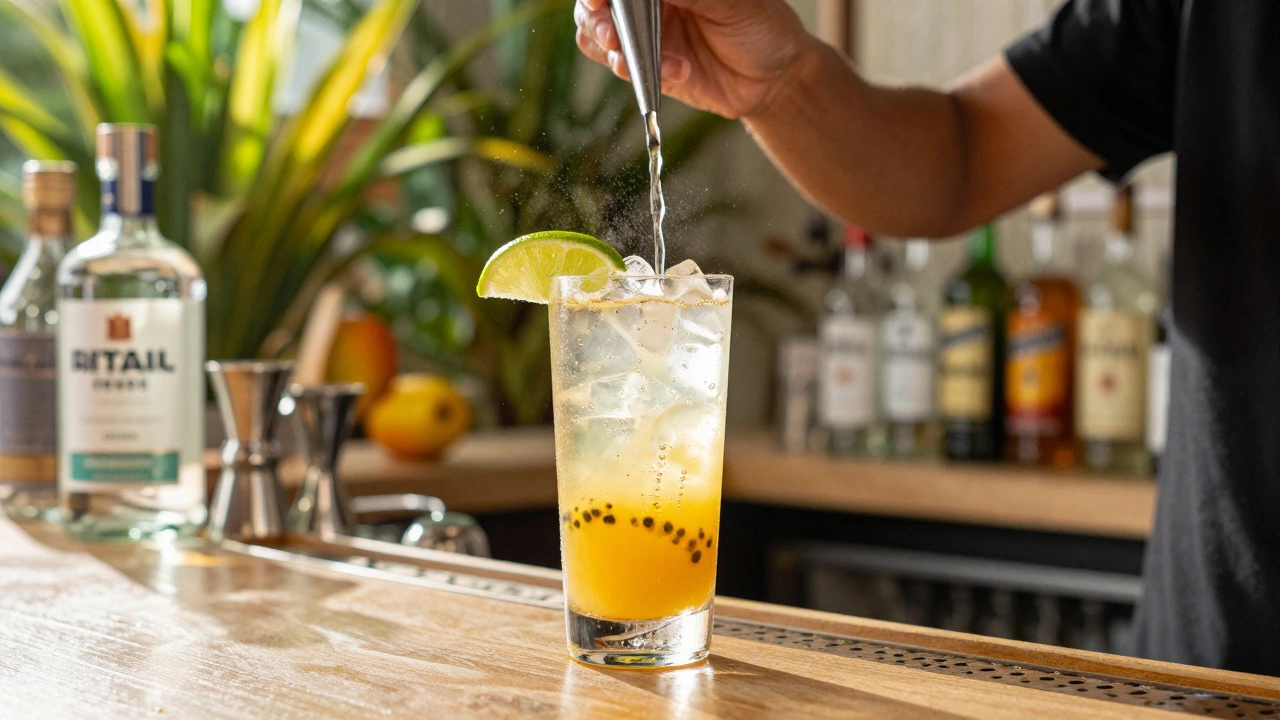
- For energy and focus: Hiyo Mango Passionfruit is a carbonated functional tonic with 100mg of yerba-mate caffeine, lion's mane, and adaptogens for mental clarity. It’s bubbly, tropical, and gives you a lift without the crash. Think of it as a hard seltzer with brain benefits.
- For a classic gin and tonic: Ritual Zero Proof Gin Alternative is a botanical spirit with juniper, coriander, and citrus, containing less than 2g of sugar per serving and 0% alcohol. It’s dry, crisp, and holds its own against tonic water. Served with lime and ice, it’s indistinguishable from the real thing.
- For a smoky mezcal experience: Ámbar Humo is a non-alcoholic mezcal alternative made from Espadin agave, with deep smoky, earthy notes and no alcohol. Add a splash of grapefruit soda and a pinch of salt. It’s smoky, complex, and perfect for cocktail lovers who want depth without the burn.
- For a refreshing spritz: Wilfred’s Aperitif is a non-alcoholic aperitif blend of bitter orange, rhubarb, and rosemary, designed to replicate Campari and Aperol. Mix it with soda water and a slice of orange. It’s bright, slightly bitter, and ideal for pre-dinner moments.
Wine and Aperitif Alternatives That Actually Taste Like Something
Wine lovers didn’t get left behind. Eins Zwei Zero is a non-alcoholic Chardonnay from German winemaker Leitz, offering crisp apple and citrus notes with zero alcohol tastes like real wine-crisp, mineral, and dry. It’s not sweet. It’s not fizzy. It’s just wine, minus the alcohol.
For those who love the ritual of an aperitif, Abstinence Lemon Aperitif is a low-sugar, high-flavor citrus and floral drink perfect for lemon spritzes or summer evenings brings fresh lemon, floral notes, and a clean finish. And if you miss the deep, herbal bitterness of amaro, Amaro Lucano Non-Alcoholic is a non-alcoholic version of the classic Italian liqueur, with the same complex herbal profile delivers that familiar warmth without the kick.
Functional Drinks: More Than Just Tasting Good
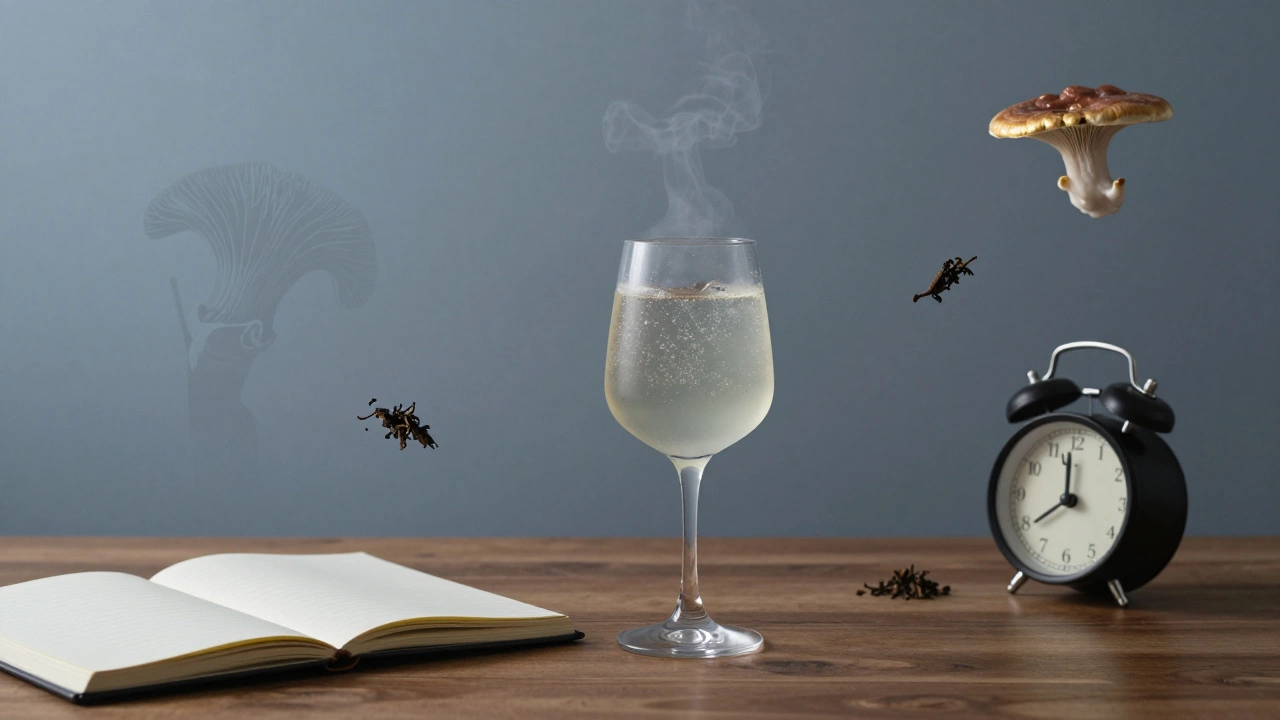
The real game-changer in 2026? Drinks that do more than satisfy your taste buds. De Soi is a sparkling apéritif designed for the 5 PM transition, with L-theanine, lion's mane, and reishi to help you unwind isn’t trying to be a cocktail. It’s trying to be a moment. A pause. A signal that your day is shifting from work to rest.
Same with Kin Euphorics is a high-vibe non-alcoholic cocktail replacement with schisandra, damiana, L-theanine, and turmeric for mood elevation. It’s designed to lift your mood without caffeine jitters or alcohol fog. Each can has 3-7 grams of sugar and a blend of plant-based ingredients that have been studied for their calming and uplifting effects.
These aren’t gimmicks. They’re responses to real needs. People are tired of choosing between feeling good and feeling clear-headed. These drinks bridge that gap.
Price and Value: Are They Worth It?
Let’s be honest-these drinks aren’t cheap. A bottle of Little Saints St. Oak is a non-alcoholic whiskey substitute with oak, vanilla, cardamom, and lion's mane, priced at $50 per bottle costs $50. A 4-pack of De Soi is a sparkling apéritif with adaptogens, priced at $20 for four cans is $20. But when you break it down, you’re paying $3-$5 per serving. That’s less than a glass of craft beer or a cocktail at a bar. And you’re not just buying flavor-you’re buying intention, wellness, and experience.
Many brands offer subscriptions. Three Spirit is a brand offering subscription models at $3.90 per serving and Little Saints is a brand offering subscription models at $3.85 per serving both cut costs over time. If you’re replacing one or two drinks a week, the math works out.
How to Drink Them: Simple Rules
You don’t need a bar to enjoy these. Here’s how to make them work:
- Use ice. Cold dilutes and opens up flavors. Always pour over ice.
- Add citrus. A twist of lime, orange, or lemon brightens any non-alcoholic drink.
- Use soda or tonic. Sparkling water or tonic elevates botanicals. Don’t be afraid to fizz.
- Don’t sip neat. Most non-alcoholic spirits are designed as mixers. Save sipping for wine or tea.
- Pair with food. A non-alcoholic aperitif like Wilfred’s goes great with cheese, olives, or charcuterie.
Why This Matters Now
In Edinburgh, where I live, Dry January isn’t just a trend-it’s a lifestyle. More people are choosing to drink less. But they still want to enjoy the ritual. The quiet clink of glasses. The shared moment. The ritual of mixing something special. Non-alcoholic drinks in 2026 aren’t a compromise. They’re an upgrade.
They’re made with real ingredients. They’re designed with intention. And they’re changing what it means to have a drink.
Are non-alcoholic drinks really alcohol-free?
Technically, most are labeled "zero-proof" or "alcohol-free," but they can contain up to 0.5% ABV due to natural fermentation. This is far below the level that causes intoxication and is considered non-intoxicating by health authorities. Brands like Three Spirit and Little Saints test below 0.3% ABV, making them effectively alcohol-free for all practical purposes.
Can you use non-alcoholic spirits in cocktails?
Absolutely. Many are designed specifically for mixing. Seedlip works as a base for gin-style drinks. Lyre’s White Cane replaces white rum in Mojitos. Ritual Zero Proof Gin Alternative is perfect for a Gin & Tonic. The key is to treat them like real spirits-use proper ratios, fresh ingredients, and ice. They hold up well in classic recipes.
Do non-alcoholic drinks have sugar?
It varies. Some, like Hiyo and Aplós Ease, have 0g of sugar. Others, like De Soi or Three Spirit, contain 6-13g per serving-similar to a light soda. Always check labels. Brands focused on wellness tend to use natural sweeteners like monk fruit or stevia, while others use cane sugar for flavor balance.
Are functional non-alcoholic drinks safe?
Yes, when consumed as directed. Ingredients like lion’s mane, L-theanine, and ashwagandha are well-studied adaptogens used in supplements for decades. However, if you’re pregnant, on medication, or have a medical condition, consult a doctor. Some ingredients, like caffeine or valerian, may interact with certain drugs or affect sleep patterns if taken late.
Where can I buy these drinks?
In the UK and EU, look in specialty grocery stores like Whole Foods, Waitrose, or independent bottle shops. In the US, they’re available at Target, Total Wine, and online via brand websites. Many offer subscriptions with free shipping. Don’t forget to check Amazon or Thrive Market for deals.
Categories