Liquid Sugar Impact Calculator
Select the drinks you've consumed today to see the cumulative nutritional impact.
Daily Total
Current Consumption Log:
You might think that skipping the booze is an automatic win for your health, but some of the most dangerous things you can put in your body don't have a single drop of alcohol in them. While we often blame cocktails for the weight gain or the sugar crash, there are everyday, alcohol-free options that are far more taxing on your liver and insulin levels than a glass of wine. If you're looking for a unhealthiest non-alcoholic drink to avoid, you might be surprised to find that your "healthy" morning juice or a quick energy boost is doing more damage than you think.
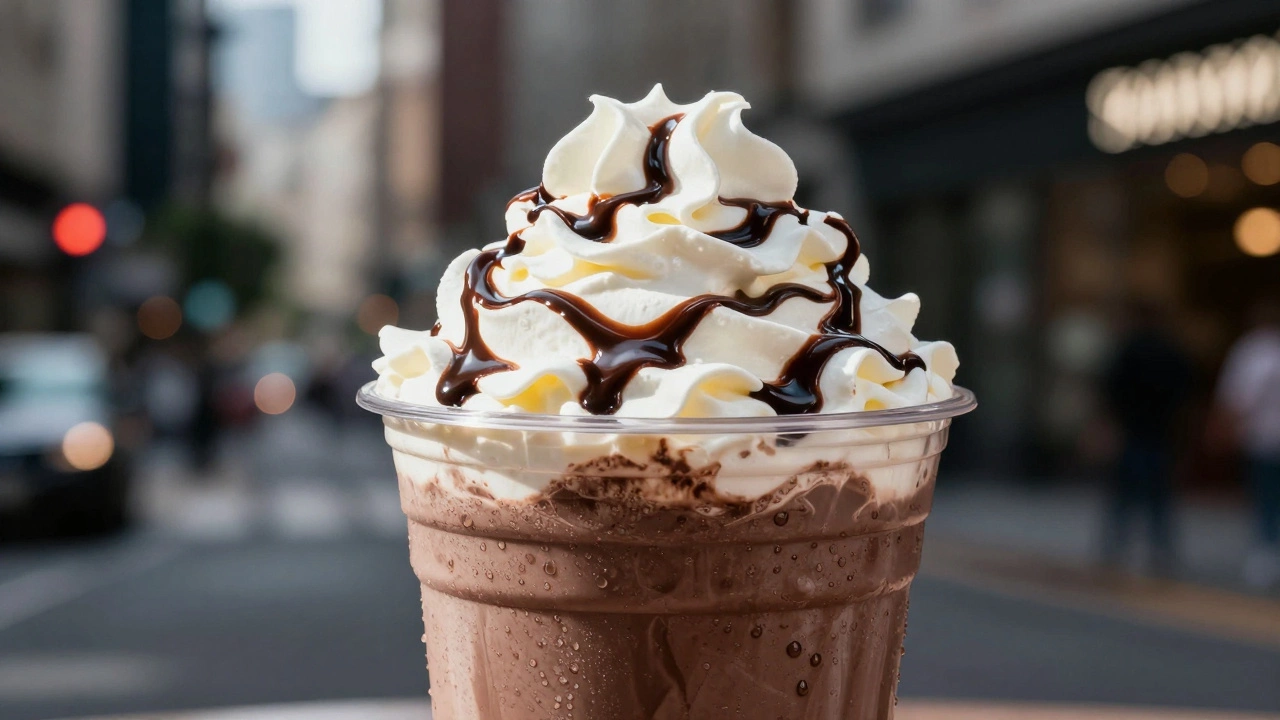
The Absolute Worst Offender: The Takeaway Milkshake
If we are talking raw numbers, the crown for the most unhealthy non-alcoholic beverage goes to the takeaway chocolate milkshake. According to a ZAVA study, these liquid desserts are nutritional bombs. An average serving packs about 102.4g of sugar and 612 calories. To put that in perspective, that is more than double the sugar and calorie load of a standard half-litre bottle of Coca-Cola. When you drink one of these, you aren't just having a beverage; you're consuming a massive amount of processed sugar and saturated fats in a few minutes, which sends your blood sugar skyrocketing.
The Danger of Energy Drinks
While a milkshake is a rare treat for many, Energy Drinks is a category of functional beverages containing high levels of caffeine, sugar, and synthetic stimulants designed to increase alertness. These are far more concerning because people drink them daily. The same ZAVA research shows energy drinks average 78g of sugar and 335 calories per serving. The World Health Organization has gone as far as calling these drinks a "danger to public health." The combination of extreme sugar levels and high caffeine can lead to heart palpitations, anxiety, and severe crashes, making them a high-risk choice for anyone with cardiovascular concerns.
| Drink Type | Average Sugar (g) | Average Calories | Primary Health Risk |
|---|---|---|---|
| Chocolate Milkshake | 102.4g | 612 | Obesity & Insulin Spikes |
| Energy Drinks | 78g | 335 | Heart Strain & Public Health Risk |
| Orange Juice | 51g | 229 | Fructose-induced Fatty Liver |
| Grape Juice | 42g | 175 | High Fructose Content |
| Bottled Lemon Water | 21.3g | 96 | Hidden Added Sugars |
The "Healthy" Juice Trap
This is where many of us get tricked. We reach for orange or grape juice thinking we're doing something good for our bodies. However, Fruit Juices, while containing vitamins, are stripped of the fiber found in whole fruit. This leaves you with a drink that is incredibly high in fructose. Health experts warn that this concentrated fructose can potentially cause a fatty liver, even if the total calorie count is lower than a milkshake. Orange juice, ranking second on the unhealthiest list with 51g of sugar, is a prime example of a drink that feels healthy but acts like a soda in your bloodstream.
Hidden Risks: From Bottled Water to Scalding Tea
Not all unhealthy drinks are about sugar. Sometimes it's about the chemicals or the temperature. For instance, many people buy bottled "lemon water" assuming it's just water with a slice of fruit. In reality, many of these are sweetened beverages containing over 21g of sugar per serving. Then there is Mate, a traditional South American drink. While the plant itself is fine, the way it's often consumed-scalding hot-is the problem. The International Agency for Research on Cancer (IARC) has classified it as Group 2A, meaning it is probably carcinogenic to humans. Drinking liquids at extreme temperatures can damage the lining of the esophagus, potentially leading to squamous cell carcinoma.
Better Alternatives and Mocktails
If you're avoiding alcohol but don't want to drink liquid sugar, you have plenty of options. Surprisingly, some of the best choices are non-alcoholic versions of traditional drinks. For example, Non-alcoholic Beer is generally far less harmful than the alcoholic version. A specific example like Guinness 0.0 contains only 3g of sugar and 71 calories, making it one of the healthiest alcohol-free options available. When crafting Mocktails, the key is to avoid pre-made mixers and bottled juices. Instead, use fresh herbs, muddled berries, and sparkling water. A drink made with fresh lime, mint, and soda water provides the ritual and flavor of a cocktail without the metabolic disaster of a sugary soft drink.
How to Spot an Unhealthy Drink
You don't need a nutrition degree to avoid the worst drinks. Just look for these red flags on the label:
- High Fructose Corn Syrup: A sign of highly processed sugar that hits the liver hard.
- "Fruit-Flavored" vs "100% Fruit": If it's flavored, it's usually just sugar and chemicals.
- Calories per 100ml: If a drink has more than 40-50 calories per 100ml, it's likely a sugar bomb.
- Synthetic Additives: Long lists of dyes and preservatives often accompany high-sugar energy drinks.
Is diet soda a better choice than fruit juice?
In terms of calories and immediate blood sugar spikes, diet soda is "better" because it uses artificial sweeteners. However, it doesn't offer the vitamins found in juice and can still contribute to cravings or gut health issues. If you want a truly healthy choice, plain sparkling water with a squeeze of fresh lemon is the gold standard.
Why is fruit juice considered unhealthy?
The main problem is the lack of fiber. When you eat a whole orange, the fiber slows down the absorption of sugar. When you drink the juice, the fructose hits your liver all at once, which can lead to insulin resistance and the development of a fatty liver over time.
Are all energy drinks equally bad?
Not necessarily, but most follow the same pattern of high sugar and high caffeine. "Sugar-free" energy drinks remove the calorie problem but keep the synthetic stimulants and artificial sweeteners, which can still put stress on your cardiovascular system.
Is coconut water a healthy alternative?
Pure coconut water is better than a milkshake, but it still contains a fair amount of natural sugar. It's a great post-workout drink for electrolytes, but drinking it like water throughout the day can still add up to a significant amount of daily sugar intake.
Can non-alcoholic beer actually be healthy?
Yes, many non-alcoholic beers are low in calories and sugar. Some even contain B vitamins and antioxidants. Because they lack the toxic effects of ethanol, they are a much safer way to enjoy a malty drink without the liver damage associated with regular alcohol.



Categories