Tea Tasting Guide: How to Taste, Compare, and Enjoy Every Sip
When you sip a cup of tea, you’re not just drinking a warm beverage—you’re experiencing a tea tasting guide, a structured way to evaluate tea’s aroma, flavor, texture, and finish. Also known as tea sensory evaluation, it’s how experts tell the difference between a dull green tea and one that tastes like fresh meadow grass with a hint of ocean breeze. Unlike coffee, where roast level dominates the experience, tea’s character comes from its origin, processing, and how it’s brewed. A Darjeeling from the first flush doesn’t taste like a second flush. A Chinese oolong from Fujian isn’t the same as one from Taiwan. These differences aren’t subtle—they’re dramatic.
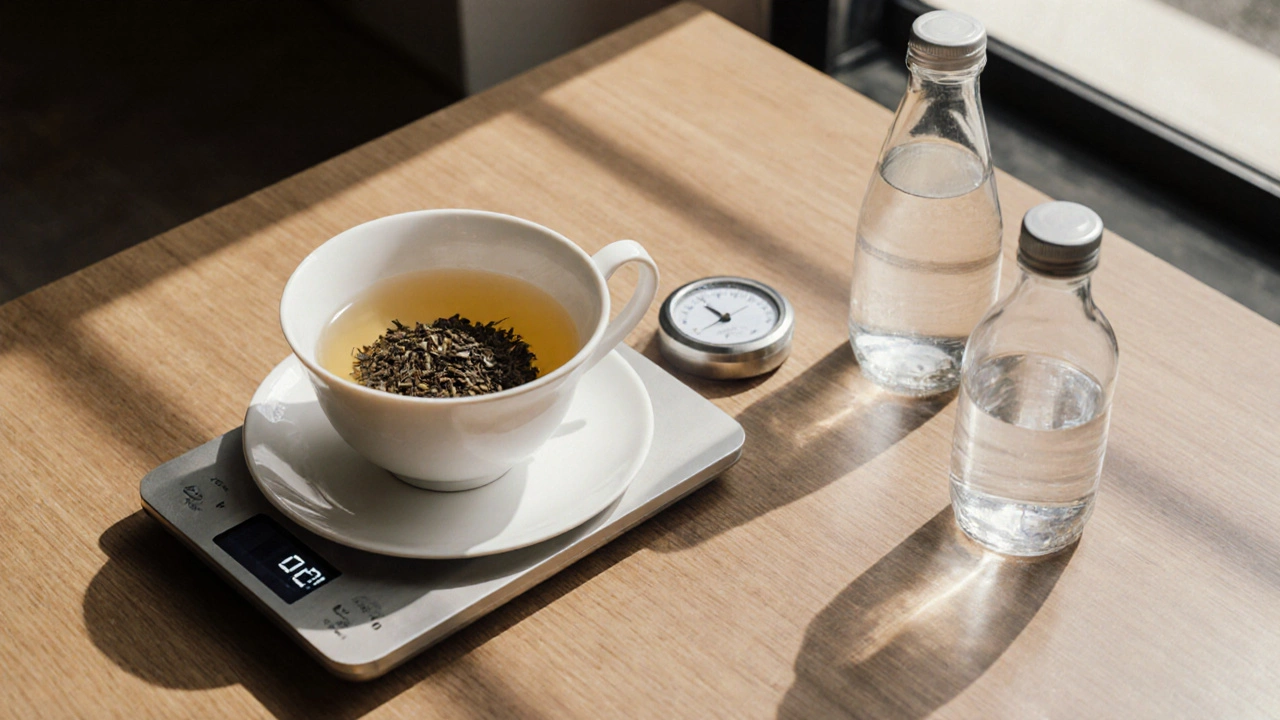
Tea tasting isn’t about fancy cups or complicated rituals. It’s about paying attention. Start with the dry leaves—do they smell grassy, smoky, or fruity? Then watch how they unfurl in hot water. The color of the brew tells you a lot: pale yellow for delicate white tea, deep amber for black tea, murky green for aged pu-erh. Smell it before you sip. Swirl it in your mouth like wine. Notice the texture—is it thin and watery, or thick and coating? The aftertaste matters just as much as the first sip. Does the flavor fade quickly, or does it linger for minutes with a sweet, nutty, or floral echo?
Most people think all tea comes from the same plant—Camellia sinensis—and they’re right. But how it’s handled changes everything. Green tea is steamed or pan-fired to stop oxidation. Black tea is fully oxidized. Oolong sits in between. White tea is just buds and young leaves, air-dried. Each step creates a different profile. And then there’s the water. Boiling water ruins delicate teas. A green tea brewed at 85°C tastes bright and fresh. Brew it at 100°C, and it turns bitter and grassy. Temperature isn’t a suggestion—it’s a rule.
You don’t need a tea master to taste tea well. You just need a clean cup, hot water, and five minutes of quiet. Try this: taste three teas back-to-back—a green, an oolong, and a black. Note how each one hits your tongue differently. Which one makes your mouth water? Which one leaves a dry feeling? Which one makes you want another sip right away? That’s the guide. It’s not about scoring points or naming origins. It’s about what you like.
Tea also pairs with food—just like wine. A smoky lapsang souchong goes great with grilled meats. A floral jasmine tea cuts through rich desserts. A creamy oolong balances spicy dishes. You don’t need a tasting set. Just try your tea with a piece of dark chocolate, a plain biscuit, or a slice of apple. Notice how the flavors change together. That’s the real magic.
Below, you’ll find real tasting experiences from people who’ve tried dozens of teas—from budget brews to rare single-estate leaves. No marketing fluff. Just what works, what doesn’t, and why. Whether you’re new to tea or you’ve been sipping for years, there’s something here that’ll change how you see that cup in your hand.

Categories