Tea Sensory Analysis: How to Taste Tea Like a Pro
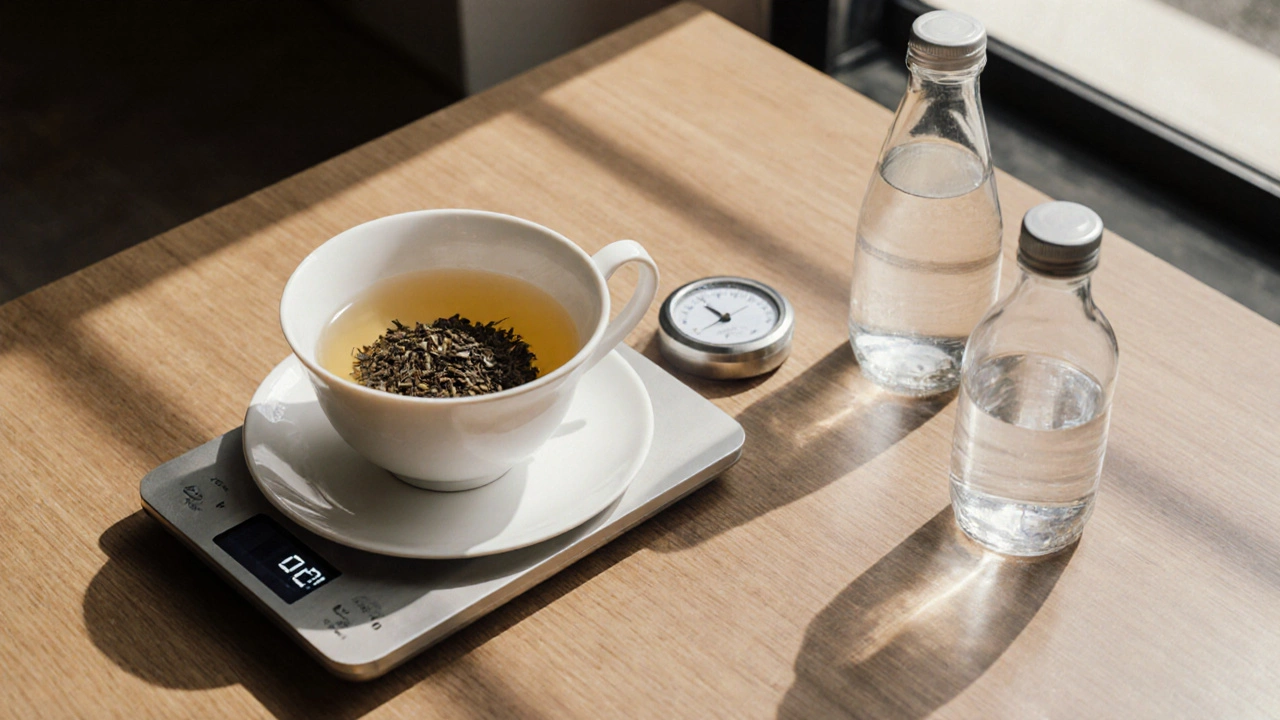
When you sip tea, you're not just drinking a hot beverage—you're experiencing a tea sensory analysis, the systematic evaluation of tea’s aroma, flavor, color, and mouthfeel using trained senses. Also known as tea tasting, it’s how professionals judge quality, origin, and craftsmanship—not just in labs, but in quiet rooms where silence lets the tea speak. This isn’t guesswork. It’s a method used by tea graders in China, India, and Sri Lanka to decide if a batch is worth selling, and by sommeliers who treat tea like fine wine.
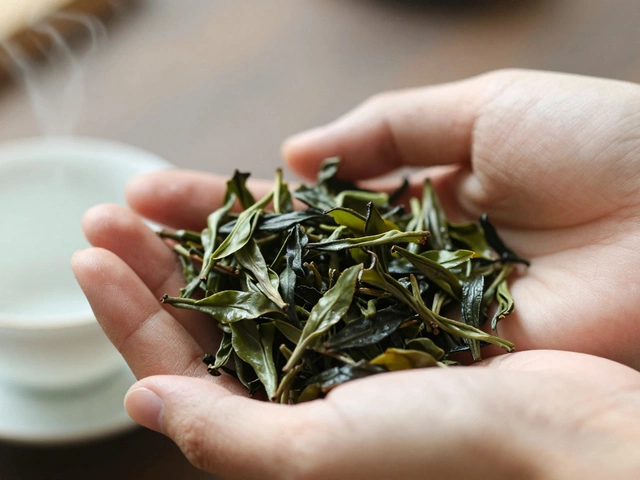
Tea sensory analysis breaks down into four key parts: tea aroma, the volatile compounds released when hot water hits dry leaves, which can smell like orchids, roasted nuts, or wet stone; tea flavor profile, the combination of sweetness, bitterness, astringency, and umami detected on the tongue; tea evaluation, the full process of assessing appearance, liquor color, and aftertaste; and the physical sensation in your mouth—the body, or mouthfeel—which tells you if the tea is light like green tea or thick like aged pu-erh. These aren’t just fancy terms. They’re the same details you notice when you slow down and really taste your tea.
You don’t need a degree to do this. Every time you notice how a Darjeeling turns from floral to musky as it cools, or how a Japanese sencha leaves a grassy aftertaste that lingers, you’re doing tea sensory analysis. The posts below show you exactly how to train your senses, what to look for in different types of tea, and why two teas that look identical can taste worlds apart. Whether you’re comparing a $5 bag to a $50 loose-leaf or just trying to understand why your morning oolong feels different today, these guides give you the tools to taste with purpose—not just habit.


Categories