Homebrew Equipment: Tools, Tips, and What You Really Need to Get Started
When you start homebrew equipment, the tools and supplies used to make beer at home, including fermenters, airlocks, and brewing kettles. Also known as home brewing gear, it’s not about buying the fanciest setup—it’s about having the right basics that actually work. Most people think they need a full professional system, but you can make great beer with just a pot, a bucket, and a few simple tools. The real secret? Knowing what matters and what doesn’t.
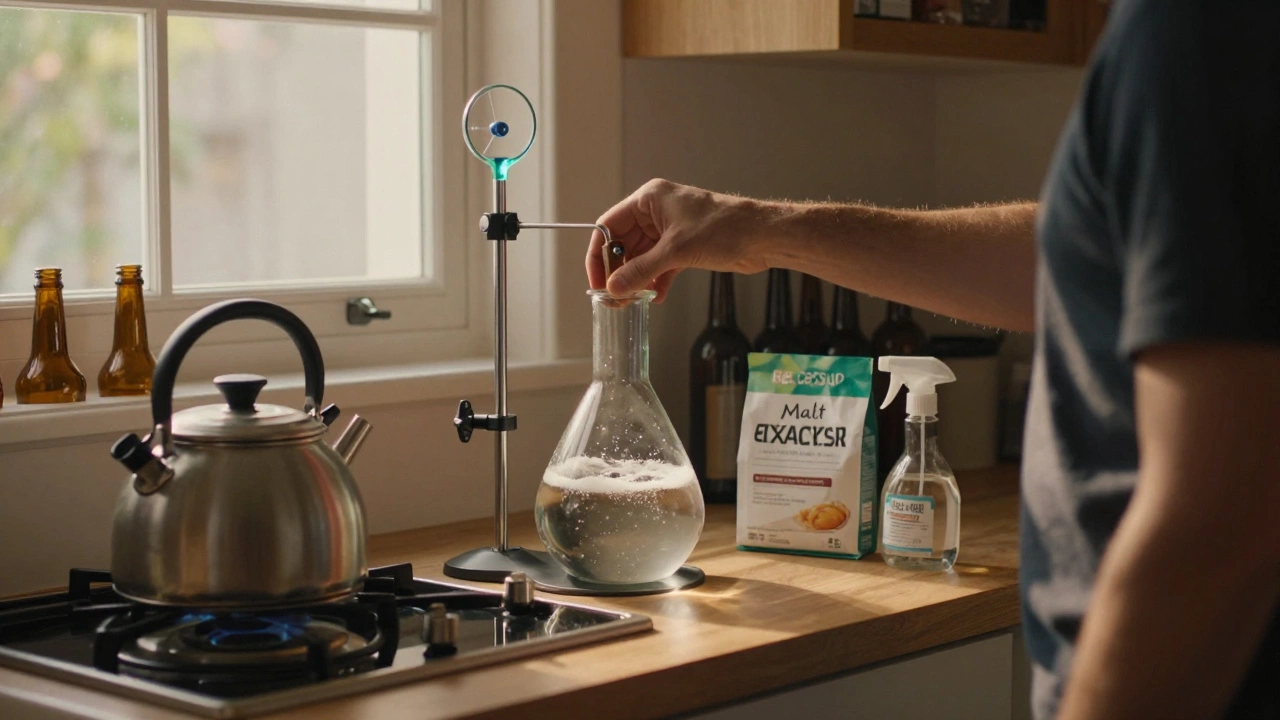
Let’s talk about the parts that actually make or break your brew. malt extract, a concentrated syrup or powder made from mashed grains, used as the base sugar source in beginner brewing is your starting point. It lasts about a year if stored cool and dry, but if it’s old or exposed to heat, your beer will taste flat or weird. Then there’s yeast viability, how alive and active your yeast is when you pitch it into the wort. Dry yeast can sit for two years, but liquid yeast? It dies after six months if not refrigerated. Using dead yeast means no fermentation—and no beer. And don’t forget hops storage, the need to keep hops cold and sealed to preserve their bittering and aromatic oils. Leave them on the counter, and you’re just brewing with paper.
People get caught up in fancy gadgets—automatic mash tuns, temperature controllers, carbonation stones—but most of those are nice-to-haves, not must-haves. What you need is clean equipment, patience, and attention to detail. A simple boil kettle, a fermenter with an airlock, a siphon, and bottles with caps are all you need to start. The rest? That’s just noise. And if you’re buying a beer making kit, check the expiration dates. Many kits sit on shelves for months before they’re sold. You don’t want to brew with yeast that’s been dead for a year.
There’s a reason the best homebrewers don’t brag about their gear—they brag about their process. They know that a $30 setup with fresh ingredients beats a $500 rig with stale malt and old hops every time. The goal isn’t to look like a pro. It’s to taste like one.
Below, you’ll find real advice from people who’ve been there—how to test if your yeast is still alive, how to store hops without a fridge, why your beer tastes like wet cardboard, and which kit components actually expire faster than you think. No fluff. Just what works.





Categories