Cosmopolitan Myth: Debunking the Truth About Non-Alcoholic Buzz and Drink Culture
When people talk about the Cosmopolitan myth, the belief that non-alcoholic beverages can produce intoxication similar to alcohol. Also known as the zero-proof buzz illusion, it's not about the cocktail—it's about the mind playing tricks after years of associating certain flavors with getting drunk. You’ve probably heard someone say they felt a "buzz" from a non-alcoholic beer, or that a mocktail gave them a "head rush." But science says that’s impossible—if there’s no ethanol, there’s no intoxication. So why do people swear they feel something?
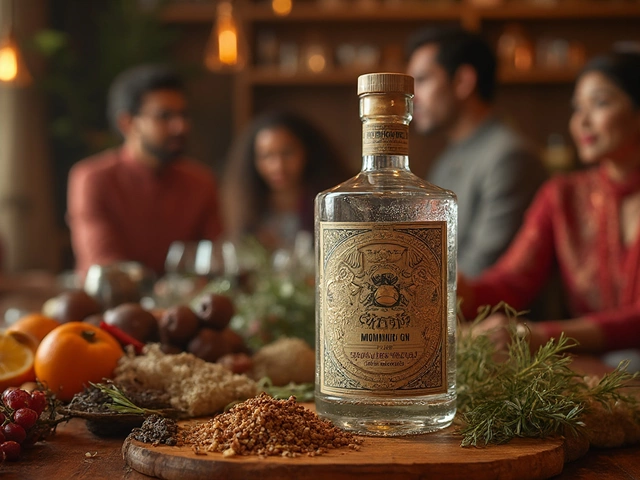
The non-alcoholic drinks, beverages labeled as 0.0% alcohol that mimic the taste, aroma, and experience of alcoholic cocktails. Also known as sober curious drinks, they’ve exploded in popularity as more people choose to cut back without giving up social rituals. These drinks aren’t just water with flavor—they’re engineered to trigger the same sensory memories as their alcoholic versions. The citrus in a Cosmopolitan mocktail, the bitterness of a non-alcoholic gin, the fizz of a zero-proof sparkling wine—all of it activates the brain’s reward system. That’s not intoxication. That’s conditioning. Your brain remembers the feeling of a real Cosmopolitan, so when you sip the fake version, it starts to expect the same outcome. The result? A placebo effect so strong, people report tingling, warmth, even euphoria—none of which come from alcohol.
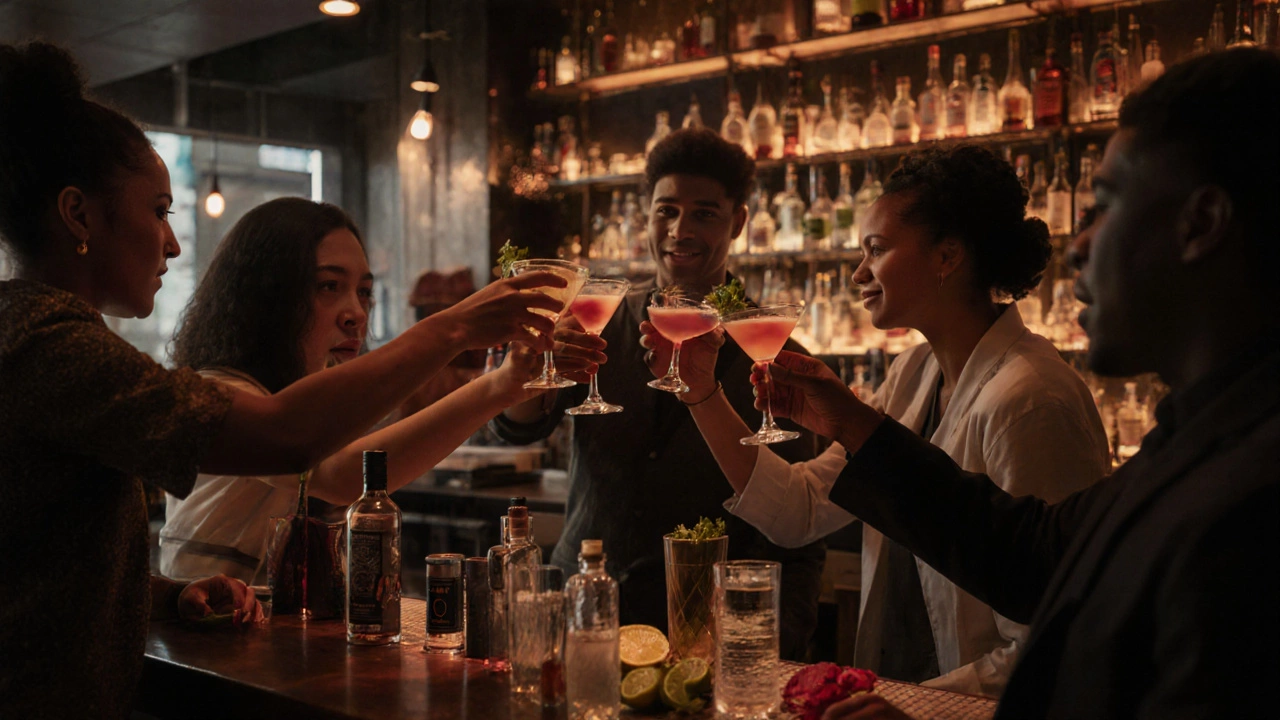
This isn’t just about taste. It’s about identity. People don’t drink mocktails because they’re thirsty. They drink them because they want to belong—to the bar, the party, the ritual. That’s why the zero alcohol buzz, the subjective sensation of intoxication from drinks containing no ethanol. Also known as phantom intoxication, it’s a psychological phenomenon tied to expectation, environment, and social pressure. A 2023 study in the Journal of Behavioral Addictions found that people who drank non-alcoholic cocktails in a bar setting reported feeling more relaxed and socially confident—even though their blood alcohol levels were zero. The setting mattered more than the ingredients. Your brain doesn’t care if the drink has alcohol. It cares if you believe it should make you feel different.
And that’s where the Cosmopolitan myth gets dangerous. If you think you’re getting buzzed from a mocktail, you might lower your guard—drive too soon, eat poorly, or assume you’re in control when you’re not. The real risk isn’t alcohol poisoning. It’s misreading your own state. The myth makes people feel safe when they’re not. That’s why understanding the difference between perception and chemistry matters more than ever.
What you’ll find below isn’t a list of recipes or brand comparisons. It’s a collection of real stories, hard science, and barroom truths about what happens when your brain tries to trick your body. From the science behind why non-alcoholic beer doesn’t get you drunk to how bartenders see through the placebo effect, these posts cut through the noise. You’ll learn why some people feel something, why others feel nothing, and what it really means to be sober curious. No fluff. No hype. Just what’s actually going on when you sip something that claims to be alcohol—but isn’t.

Categories