Beer Brewing at Home
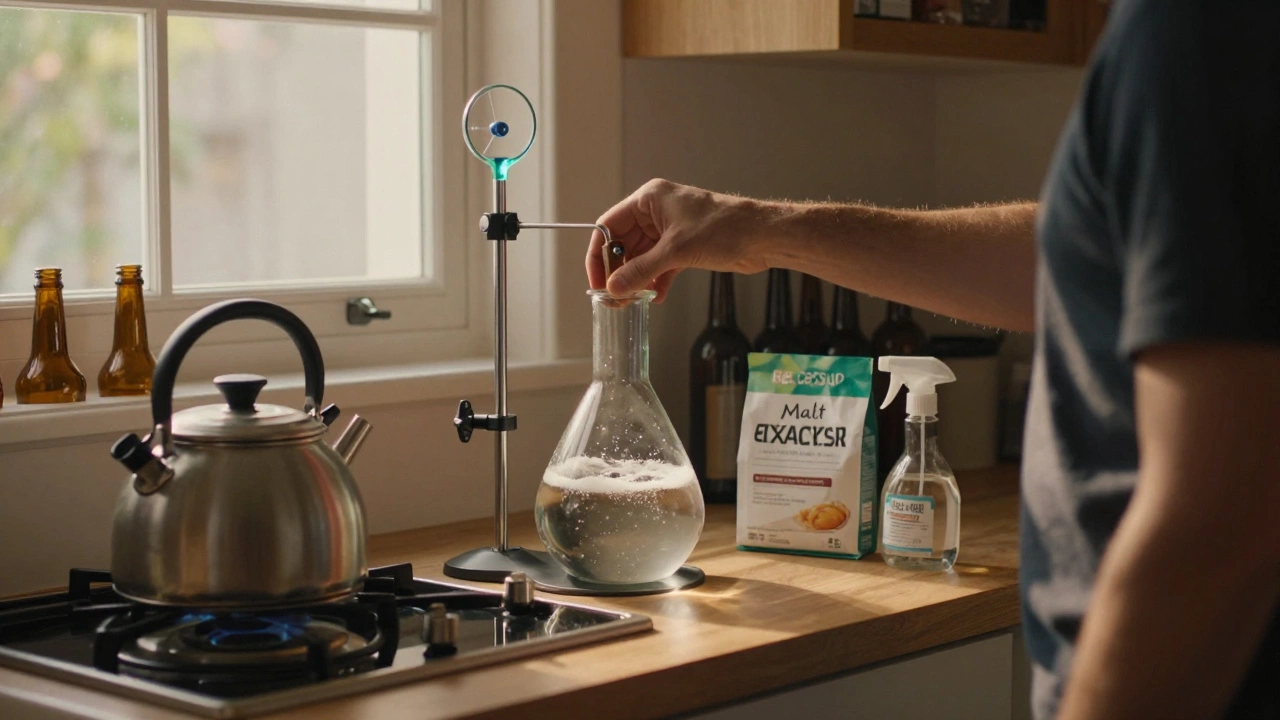
When you start beer brewing at home, the hands-on process of making beer using malt, hops, yeast, and water in your kitchen or garage. Also known as homebrewing, it’s not about fancy gear—it’s about understanding what each ingredient does and how to keep it fresh. Most people think it’s complicated, but the real challenge isn’t the steps—it’s keeping your ingredients alive. Dry yeast can last two years if sealed right. Liquid yeast? It dies after six months. Hops lose their punch fast unless frozen. Malt extract goes bad if it’s warm and moist. If your beer tastes flat, sour, or weird, it’s rarely the recipe—it’s the shelf life.
That’s why beer making kits, pre-packaged sets of ingredients and instructions for beginners to brew beer without buying individual components are popular. But not all kits are created equal. Some sit on shelves for months before you open them. The yeast inside might be dead. The hops could be stale. You follow every step, but the beer tastes like cardboard. That’s not your fault. It’s the expiration date you didn’t know to check. A good kit should come with clear storage tips: freeze the hops, refrigerate the liquid yeast, keep the malt in a cool, dry place. And if you’re buying online? Ask when it was packed. Don’t assume it’s fresh just because it’s sealed.
Then there’s the culture around it. People talk about craft beer, small-batch beer made with traditional methods, often emphasizing flavor over mass production like Sierra Nevada or Yuengling, but forget that every great craft beer started in someone’s basement. The same science applies. The same yeast strains. The same need for clean equipment and controlled temps. You don’t need a $500 setup to make something worth drinking. You just need to know what’s going wrong when it doesn’t turn out right—and most of the time, it’s not the brew, it’s the ingredients.
What you’ll find below aren’t just guides. They’re fixes. Real answers to real problems: why your beer fizzed out, why your yeast didn’t activate, why your last batch tasted like wet socks. You’ll learn how to test if your yeast is still alive, how to store hops without a fridge, and why your malt extract might be the culprit behind off-flavors. No jargon. No hype. Just what works—and what doesn’t—based on what actual homebrewers have tried.




Categories