Wine & Cheese Pairing Assistant
Choose the items on your board below. The tool will analyze their intensity and flavor profiles to recommend wines that balance rather than overpower your selection.
Imagine a scenario where you have a beautiful board of aged Gouda, creamy Brie, and slices of prosciutto. You reach for a bottle of heavy Cabernet Sauvignon, take a sip, and the tannins taste like dry cardboard. Or perhaps you paired a delicate Pinot Grigio with a pungent Roquefort, and the cheese completely erased the wine's subtle fruit notes. These are common pitfalls in wine pairing, but they are easily avoided once you understand the underlying mechanics of flavor interaction.
Pairing is not about following rigid rules; it is about balancing intensity, acidity, and texture. Whether you are hosting a dinner party in Edinburgh or enjoying a quiet evening at home, mastering this skill transforms random grazing into a structured sensory experience. The goal is simple: ensure that neither the wine nor the food dominates the other. Instead, they should highlight each other’s best qualities.
The Core Principles of Balance
Before looking at specific bottles, you need to grasp three fundamental concepts that govern successful pairings. These principles apply whether you are dealing with a single slice of cheese or a full charcuterie spread.
- Match Intensity: This is the most critical rule. A delicate, fresh cheese will be overwhelmed by a bold, high-tannin red wine. Conversely, a powerful, aged cheese will make a light white wine taste flat and watery. Always match the weight of the wine to the strength of the food. If the cheese is sharp and salty, choose a wine with comparable body and structure.
- Complement vs. Contrast: You can either match similar flavors (complement) or oppose them (contrast). Complementing means pairing a buttery Chardonnay with a creamy Brie, creating a harmonious, smooth experience. Contrasting involves using opposites to create excitement, such as pairing salty blue cheese with sweet dessert wine. Both approaches work, but consistency is key.
- Acidity is Your Friend: Fat coats the tongue, which can make eating feel heavy. High-acidity wines cut through this fat, cleansing the palate between bites. This is why crisp whites and sparkling wines are often superior to heavy reds when serving fatty meats or rich cheeses.
Cheese Categories and Their Ideal Wine Matches
Cheese is not a monolith; different styles require different wines. Understanding the six main categories helps you navigate your local deli or cheese counter with confidence.
| Category | Examples | Best Wine Matches | Why It Works |
|---|---|---|---|
| Fresh / Young | Mozzarella, Goat Cheese, Chèvre | Sauvignon Blanc, Pinot Grigio, Albariño | High acidity cuts through mild lactic flavors without overpowering them. |
| Soft-Ripened (Bloomy Rind) | Brie, Camembert | Champagne, Prosecco, Unoaked Chardonnay | Bubbles cleanse the creaminess; smooth whites mirror the texture. |
| Semi-Soft / Semi-Hard | Gouda, Comté, Havarti | Pinot Noir, Gamay, Rioja Crianza | Medium-bodied reds offer enough structure to stand up to nutty, complex flavors. |
| Hard Aged | Parmesan, Aged Cheddar, Manchego | Cabernet Sauvignon, Prosecco, Port | Tannins soften against high protein/fat; sweetness balances salt. |
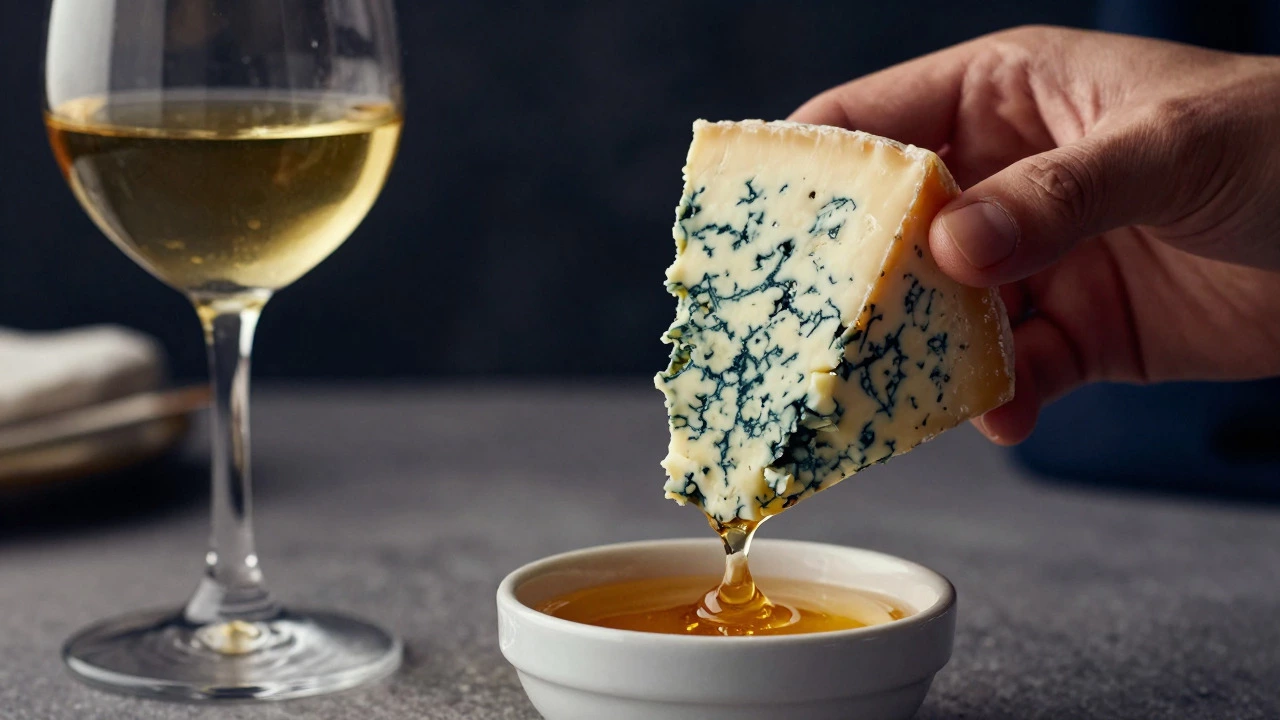
| Blue Cheese | Stilton, Roquefort, Gorgonzola | Port, Sauternes, Late-Harvest Riesling | Sweetness contrasts sharply with intense salt and pungency. |
| Washed-Rind | Époisses, Taleggio | Robust Reds, High-Extract Whites | Strong aromas require equally powerful wines to avoid being masked. |
A notable exception to the "red wine for cheese" myth is the pairing of hard aged cheeses with sparkling wines. The effervescence and acidity of Prosecco or Champagne lift the salty, umami notes of Parmigiano Reggiano, creating a refreshing contrast that many traditionalists overlook.
Navigating Charcuterie: Salt, Fat, and Smoke
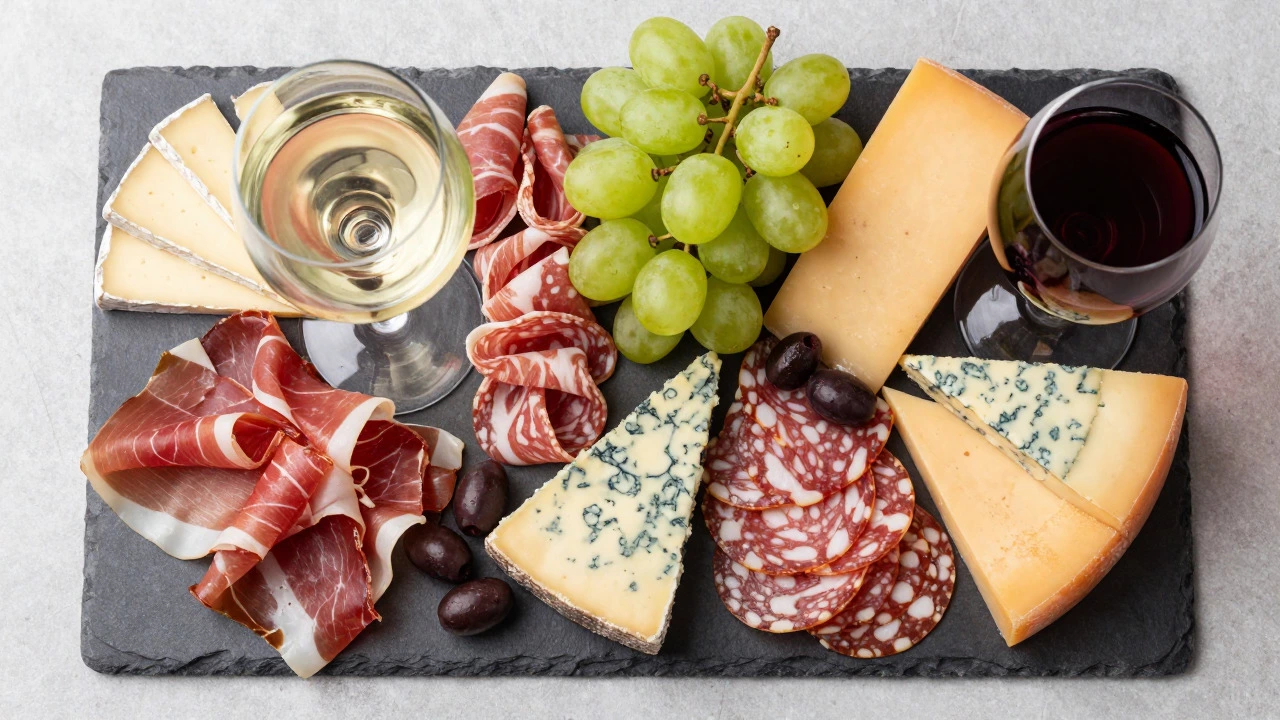
Charcuterie introduces variables that cheese does not: smoke, spice, and varying levels of salt. Cured meats like salami, prosciutto, and speck interact differently with tannins than dairy products do.
When dealing with cured meats, low-tannin reds are generally safer choices. Heavy tannins can react with salt to create an astringent, drying sensation on the mouth. Instead, opt for fruity, lighter reds such as Beaujolais, Pinot Noir, or young Merlot. These wines handle the salt and fat well without becoming harsh.
For leaner, less fatty meats like prosciutto or coppa, crisp whites or rosés often outperform reds. The acidity refreshes the palate, while the lower alcohol content prevents the wine from feeling too heavy alongside the delicate meat. If your board includes smoked meats like speck or chorizo, look for aromatic whites from regions known for similar production methods, such as Gewürztraminer or Sylvaner, which echo the smoky-mineral profile of the meat.
Building the Perfect Board: A Step-by-Step Approach
Planning a mixed board requires a strategic approach to ensure every guest finds something they enjoy. Here is how to construct a balanced selection:
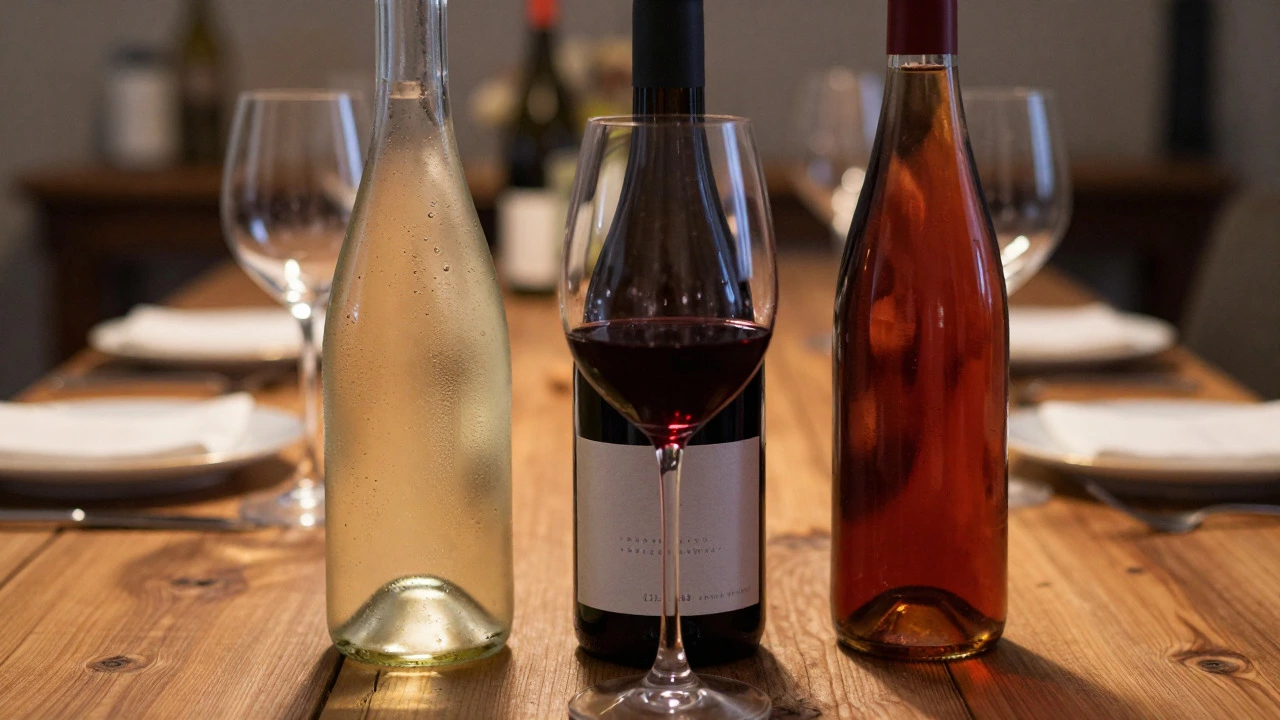
- Select Your Wines First: Choose 2-3 bottles that cover a range of intensities. A reliable trio includes one high-acid sparkling or crisp white, one light-to-medium-bodied red, and optionally one sweet or fortified wine. This covers the spectrum from fresh cheeses to aged blues.
- Choose Cheeses by Intensity: Pick 4-6 cheeses spanning the spectrum. Start with a fresh goat cheese, move to a soft bloomy rind like Brie, include a semi-hard Gouda, add a hard aged cheddar, and finish with a blue cheese. This progression allows guests to build their palate gradually.
- Add Meats for Variety: Include 3-5 meats. Mix lean options (prosciutto) with fatty ones (salami) and include a pâté or rillettes for texture. Ensure at least one meat is spicy or strongly flavored to provide a contrast to the milder cheeses.
- Arrange by Zone: Group similar items together. Place lighter cheeses and wines on one side of the board and heavier, stronger items on the other. This visual cue helps guests make intuitive choices without needing a manual.
Common Mistakes to Avoid
Even experienced hosts can fall into these traps. Being aware of them will save you from awkward silences during tastings.
- Defaulting to Red Wine: Not all cheese needs red wine. Fresh mozzarella with a bold Syrah is a mismatch. Remember that whites and sparklings are often more versatile for mixed boards.
- Ignoring Tannin Clashes: If you serve very salty charcuterie, avoid high-tannin reds like young Barolo or Nebbiolo. The combination can taste bitter and dry. Stick to softer reds or acidic whites.
- Overlooking Texture: Pair smooth wines with creamy foods and structured wines with crumbly or firm foods. A gritty, aged cheese pairs poorly with a silky, low-acid white because the textures feel disjointed.
Regional Wisdom: What Grows Together, Goes Together
One of the oldest heuristics in gastronomy is regional pairing. Foods and wines produced in the same area have evolved to complement each other over centuries. While you don't need to stick strictly to geography, these combinations are proven benchmarks.
Consider the classic pairing of Spanish Rioja with Manchego cheese. The wine's medium body and moderate tannins balance the cheese's nutty, salty profile perfectly. Similarly, French Roquefort pairs exceptionally well with Sauternes, a sweet Bordeaux wine. The sugar in the wine neutralizes the salt in the cheese, creating a luxurious, creamy-sweet finish. In Italy, Parmesan and Prosecco are a staple for a reason-the bubbles lift the cheese's savory depth, making each bite lighter than the last.
If you are in Scotland, you might explore local connections. While Scotland is famous for whisky, its growing wine industry produces crisp whites and light reds that pair well with local artisan cheeses. Look for Scottish Pinot Noir or Chardonnay to pair with Highland cheddar or local goat cheese, supporting local producers while adhering to the regional principle.
Practical Tips for Hosting
To make your next gathering a success, keep these practical advice points in mind:
- Label Everything: Use small cards to identify each cheese and meat, along with a suggested wine. This turns the board into an educational tool and reduces decision fatigue for guests.
- Temperature Matters: Serve cheeses at room temperature to allow their flavors to open up. Keep whites and sparklings chilled, but let reds breathe for 15-20 minutes before serving.
- Start Light, End Heavy: Guide your guests to start with fresh cheeses and light wines, progressing to harder cheeses and bolder wines. Ending with blue cheese and dessert wine provides a satisfying conclusion to the meal.
By focusing on balance rather than rigid rules, you can create memorable tasting experiences. Whether you are experimenting with global varieties or sticking to regional classics, the key is to listen to your palate and adjust accordingly. Happy pairing.
What is the best wine to drink with charcuterie?
Crisp whites like Sauvignon Blanc or Pinot Grigio, and light reds like Pinot Noir or Beaujolais, are ideal. They have enough acidity to cut through fat and low enough tannins to avoid clashing with salt.
Can I pair red wine with soft cheese?
It is generally not recommended. Soft cheeses like Brie are delicate and can be overwhelmed by the tannins in red wine. Sparkling wines or light, unoaked whites are better matches for creamy, soft cheeses.
Why does blue cheese pair well with sweet wine?
Blue cheese is intensely salty and pungent. Sweet wines like Port or Sauternes provide a contrast that balances the saltiness, creating a harmonious interplay between sweet and savory flavors.
How many wines should I bring for a cheese board?
Two to three bottles are sufficient. Aim for variety: one white or sparkling, one light red, and optionally one sweet or fortified wine to cover different cheese types.
Does region matter when pairing wine and cheese?
Yes, regional pairings are a great starting point because these foods and wines have co-evolved. Examples include Rioja with Manchego or Prosecco with Parmesan. However, personal preference and intensity matching are more important than strict geography.

Categories