Sip or Mix? Spirit Recommendation Tool
Select the type of spirit you have to see expert recommendations on how to serve it. This tool helps you decide whether to sip it neat or mix it with ice, soda, or other ingredients.
Whiskey
Bourbon, Scotch, RyeRum
Dark, Gold, WhiteVodka
Premium vs StandardGin
Botanical & JuniperTequila/Mezcal
Blanco, Reposado, AñejoBrandy/Cognac
VSOP, XO, ArmagnacWhy?
Pro Tip
Recommended Serving Style
You’ve probably been there. You’re at a bar, the bartender asks how you want your drink, and you hesitate. Do you order it with ice? With soda? Or do you go straight? The term "straight" in the spirit world often causes confusion. Does it mean no ice? No mixer? Just the raw liquid from the bottle? If you’re curious about which bottles deserve this treatment-and which ones will burn a hole in your throat-you’re in the right place. Drinking spirits neat (which is what "straight" usually implies in casual conversation) isn’t just about showing off; it’s about experiencing the craft of distillation and aging without interference.
The Quick Sip: Key Takeaways
- Aged Whiskeys (Bourbon, Scotch, Rye) are the gold standard for neat drinking due to oak-derived complexity.
- Aged Tequilas (Reposado, Añejo) offer smooth, vanilla notes that shine without mixers.
- Dark Rum provides natural sweetness and spice, making it approachable for beginners.
- Cognac and Brandy are designed for sipping, offering rich fruit and floral aromas.
- Vodka is debated; only premium, super-filtered varieties are truly enjoyable neat.
- Gin works if it’s botanical-forward but not aggressively juniper-heavy.
Decoding the Bar Talk: What Does "Straight" Actually Mean?
Before we pour, let’s clear up the terminology. When you ask for a spirit "straight," you’re typically asking for it neat. This means the spirit is poured directly from the bottle into a glass at room temperature. No ice. No water. No lemon twist. It’s the purest form of service. However, context matters. In some regions, "straight" can also refer to a specific legal definition of whiskey (like American Straight Bourbon), but in a bar setting, it almost always equals a neat pour.
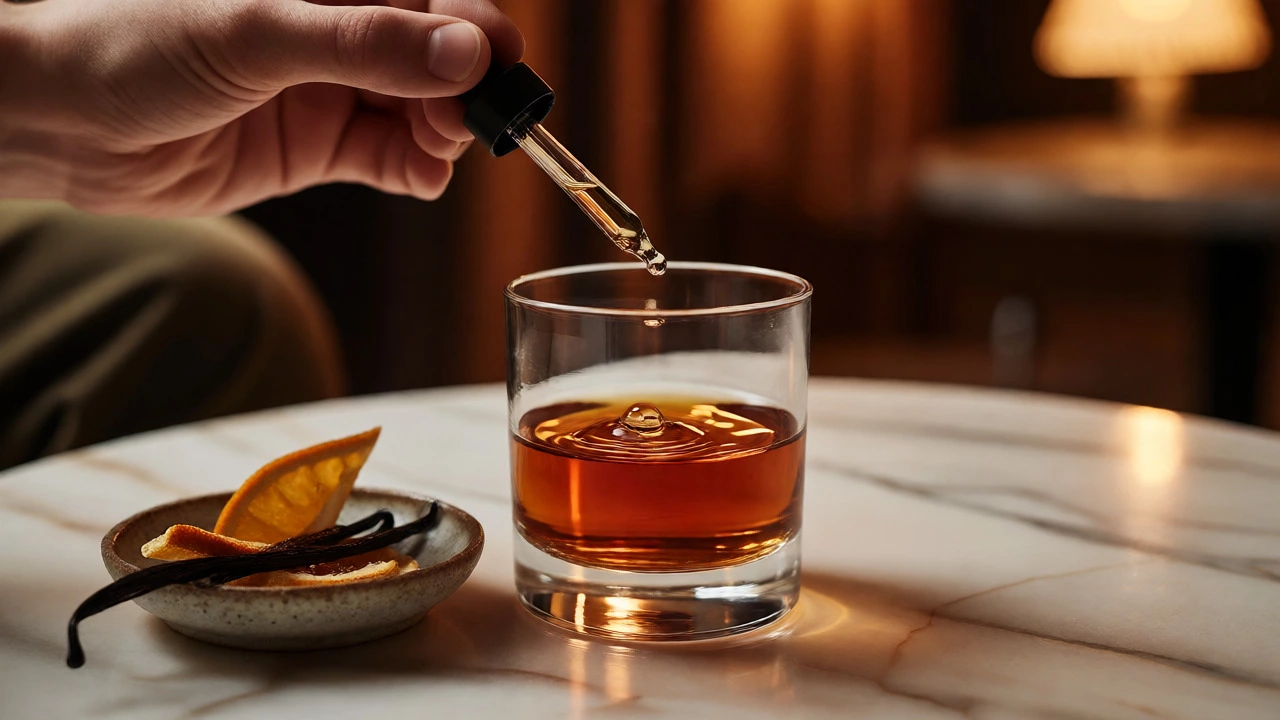
It’s crucial to distinguish this from "straight up." If you order a martini straight up, it’s chilled by shaking or stirring with ice, then strained into a coupe glass. That’s cold. Neat is warm-room temp. Why does temperature matter? Cold numbs your palate. If you chill a complex single malt Scotch too much, you mute the subtle notes of honey, peat, or dried fruit. Drinking neat allows those volatile aromatic compounds to hit your nose, enhancing the flavor profile. If you find the alcohol burn too intense, adding a few drops of water is acceptable among enthusiasts. It doesn’t dilute the spirit significantly but opens up the flavors, reducing the ethanol sting on your tongue.
The Heavy Hitters: Why Whiskey Rules the Neat World
If there’s one category built for sipping, it’s Whiskey. Whether it’s Scottish Single Malt, American Bourbon, or Canadian Rye, whiskey spends years in charred oak barrels. This process infuses the spirit with vanilla, caramel, baking spices, and wood tannins. These flavors are robust enough to stand alone. You don’t need cola to mask harshness because the aging has already smoothed out the rough edges.
For beginners, high-proof cask-strength whiskeys (above 55% ABV) might be too fiery. Instead, look for bottlings around 40-46% ABV. Wheated bourbons, where wheat replaces rye in the mash bill, are particularly friendly. They tend to be sweeter and softer, with less spicy bite than their rye counterparts. Brands like Maker’s Mark or Four Roses Small Batch are excellent entry points. If you prefer something smokier, a lightly peated Scotch like Highland Park 12 Year Old offers balance between smoke and sweetness, making it easy to sip slowly.
| Spirit Type | Typical ABV | Flavor Profile | Best For |
|---|---|---|---|
| Bourbon | 40-50% | Vanilla, Corn, Caramel | Sweet tooth, Beginners |
| Single Malt Scotch | 40-46% | Honey, Smoke, Fruit, Oak | Complexity lovers |
| Rye Whiskey | 40-50% | Spice, Pepper, Mint | Those who like kick |

Aged Tequila and Mezcal: Beyond the Shot Glass
Forget the salt-and-lime ritual. High-quality Tequila is meant to be sipped, not slammed. Unaged Blanco tequila is crisp and herbal, great for margaritas, but it lacks the depth for solo sipping. Enter Reposado and Añejo. Reposado rests in oak for two months to a year, picking up light vanilla notes. Añejo ages for one to three years, developing richer, cognac-like characteristics. These expressions have enough body and sweetness to enjoy neat.
Then there’s Mezcal. Often confused with tequila, mezcal is made from various agave species and roasted in earthen pits, giving it a distinctive smoky flavor. While some mezcals are intense, many artisanal brands produce balanced expressions that taste like campfire and tropical fruit. Drinking mezcal neat reveals layers of earthiness and spice that mixers would completely hide. Start with a young Espadín mezcal if you’re new to the smoke.
Brandy and Cognac: The Classic After-Dinner Sip
If you want elegance, reach for Cognac or brandy. These spirits are distilled from wine or fermented fruit and aged in French oak. They are arguably the most traditional "sipping" spirits, historically served in snifters to concentrate the aroma. VSOP (Very Superior Old Pale) and XO (Extra Old) designations indicate longer aging, resulting in smoother textures and deeper flavors of dried apricot, leather, and tobacco.
Cognac is forgiving. Even lower-end VS blends are pleasant enough to sip after a meal. Because they are naturally sweet from the residual sugars in the base wine and the oak interaction, they rarely feel harsh. If you find standard Cognac too expensive, try Armagnac, its cousin from southwest France. It’s often more rustic and flavorful, offering incredible value for neat drinking.
Dark Rum: The Sweet Spot for Beginners
Many people dismiss rum as a party mixer, but aged dark rum is a sophisticated spirit. Made from sugarcane byproducts like molasses, dark rum spends time in ex-bourbon barrels, absorbing sweetness and spice. Brands like Appleton Estate from Jamaica or Mount Gay from Barbados produce expressions that are incredibly smooth. The natural sugar content makes them easier to drink neat than dry whiskeys or gins.
Look for rums aged at least five years. The age statement is a good heuristic here; younger rums can still have a sharp alcohol edge. Jamaican rums often have funky, fruity esters, while Spanish-style rums (from Puerto Rico or Dominican Republic) tend to be lighter and drier. For a first-time neat experience, a medium-bodied aged rum is a safe, delicious bet.
The Controversial Choices: Gin and Vodka
Can you drink gin neat? Yes, but it depends on the style. Traditional London Dry Gins are heavy on juniper and pine, which can taste medicinal when undiluted. However, modern "New Western" or botanical-forward gins use fewer juniper berries and more citrus, lavender, or cucumber. These are crafted to be sipped. Plymouth Gin, for example, is softer and earthier, making it a decent neat option. Always check the label for botanical profiles before ordering it straight.
Vodka is the biggest debate. Purists argue vodka should be neutral and used in cocktails. Others insist a top-shelf, multi-filtered vodka is silky and clean enough to sip. The key is quality. Cheap vodka tastes like rubbing alcohol. Premium vodkas, filtered through charcoal or silver, have a creamy texture. Serve them very cold (frozen) to suppress any remaining heat. If you aren’t sure, skip the neat vodka until you trust the brand.
Liqueurs and Amari: The Digestif Tradition
In Europe, ending a meal with a small glass of liqueur is standard practice. These are spirits infused with herbs, fruits, nuts, or cream, often sweetened. Amaro, Limoncello, Grand Marnier, and Chartreuse are fantastic neat drinks. They are lower in alcohol (30-40% ABV) and higher in sugar, which coats the palate and aids digestion. Because they are already flavored, they don’t need mixers. Order a small pour (1 ounce) and let it linger on your tongue.
How to Start Sipping Without Burning Your Tongue
If you’re new to drinking spirits straight, don’t rush. Here’s a simple protocol to enhance your experience:
- Choose the Right Glass: Use a Glencairn glass or a tulip-shaped snifter. These concentrate aromas toward your nose. Avoid wide tumblers if you want to appreciate the scent.
- Pour Small: Stick to 1.5 ounces. Overpouring leads to quick consumption and missed nuances.
- Observe and Smell First: Look at the color. Swirl gently. Take short, shallow sniffs. Let your brain register the vanilla, smoke, or fruit before you taste.
- Take Tiny Sips: Don’t gulp. Let the spirit coat your entire mouth. Hold it for a few seconds to detect mid-palate flavors.
- Add Water if Needed: If the alcohol burn overwhelms the flavor, add a teaspoon of water. Wait a minute, then smell again. You’ll likely notice new aromatics emerging.
Is drinking spirits straight bad for my health?
Drinking neat isn't inherently worse than mixing, but it means you're consuming alcohol without dilution. A standard neat pour (1.5 oz) contains the same amount of alcohol as a cocktail, but you might drink it faster if you're not mindful. Pace yourself to avoid overconsumption.
Why does my cheap whiskey burn so much when drunk straight?
Cheap spirits often lack sufficient aging and filtration. Harsh congeners (impurities left over from distillation) remain in the liquid, causing a burning sensation. Higher-quality spirits spend more time in barrels, which helps mellow these compounds, resulting in a smoother finish.
Can I drink all types of rum straight?
Not all. White/light rums are usually unaged and best suited for mixing. Dark, gold, and specifically aged rums (with an age statement like 5+ years) have developed enough complexity and smoothness to be enjoyed neat.
Does adding ice ruin a "straight" drink?
Technically, yes. If you add ice, it's no longer "neat"; it's "on the rocks." Ice chills the spirit and dilutes it as it melts. While this reduces burn, it also masks delicate flavors. Try it neat first, then add a single large cube if you prefer it colder.
Which spirit is easiest for beginners to drink straight?
Aged dark rum or a wheated bourbon are generally the most approachable. Their natural sweetness and lower spice levels make them less intimidating than peated Scotch, high-rye whiskey, or aggressive gin.




Categories