Alcohol Calorie Calculator
Choose Your Drink
Total Calories: 0
Let’s be honest-drinking alcohol doesn’t have to mean throwing your health goals out the window. You don’t need to quit entirely to make smarter choices. The truth is, not all alcoholic drinks are created equal. Some pack in sugar, empty calories, and hidden additives that spike your blood sugar and leave you feeling bloated the next day. Others? They’re clean, simple, and surprisingly light. If you’re looking for a healthier way to enjoy a drink, the answer isn’t giving up alcohol-it’s choosing better options.
Start with clear spirits
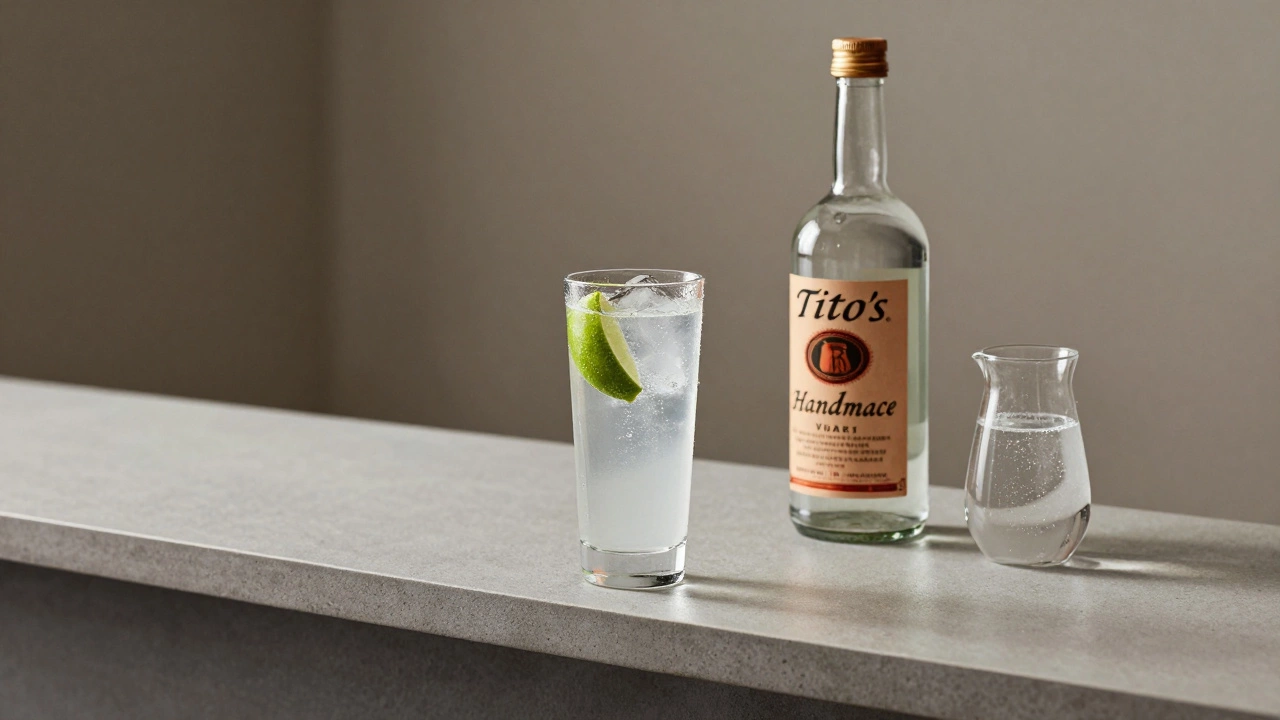
The cleanest, lowest-calorie alcoholic drinks you can buy are clear spirits: vodka, gin, and white tequila. Each 1.5-ounce shot of 80-proof spirit contains about 97-98 calories. That’s it. No sugar. No carbs. No mystery ingredients. All the calories come straight from the alcohol itself.
Why does this matter? Because drinks with added sugar-like sugary mixers or sweet wines-can easily double or triple your calorie count. A single can of regular tonic water adds 120 calories. A margarita? That’s often 300+ calories, mostly from syrup and juice. But a vodka soda with lime? Still 97 calories. That’s the power of simplicity.
Look for brands that list 100% agave for tequila, and avoid flavored vodkas that have added sugars. Stick to unflavored options like Tito's Handmade Vodka a popular American-made vodka distilled six times and free of additives, Wheatley Vodka a smooth, grain-based vodka with no artificial flavors, or Don Julio Blanco a premium 100% agave tequila with crisp citrus notes. Gin works just as well-try Hendrick's a floral gin infused with cucumber and rose petals or Beefeater a classic London dry gin with botanical clarity. Mix with club soda, sparkling water, or a squeeze of fresh lime. No sugar. No guilt.
Light beer beats regular beer
If you’re more of a beer person, don’t automatically reach for the standard lager. A 12-ounce regular beer can have 150-200 calories and 10-15 grams of carbs. Light beer? It’s usually 90-110 calories, with just 3-4% ABV. That’s because brewers reduce both alcohol and carbohydrates to cut the calories. Less alcohol means fewer calories-simple math.
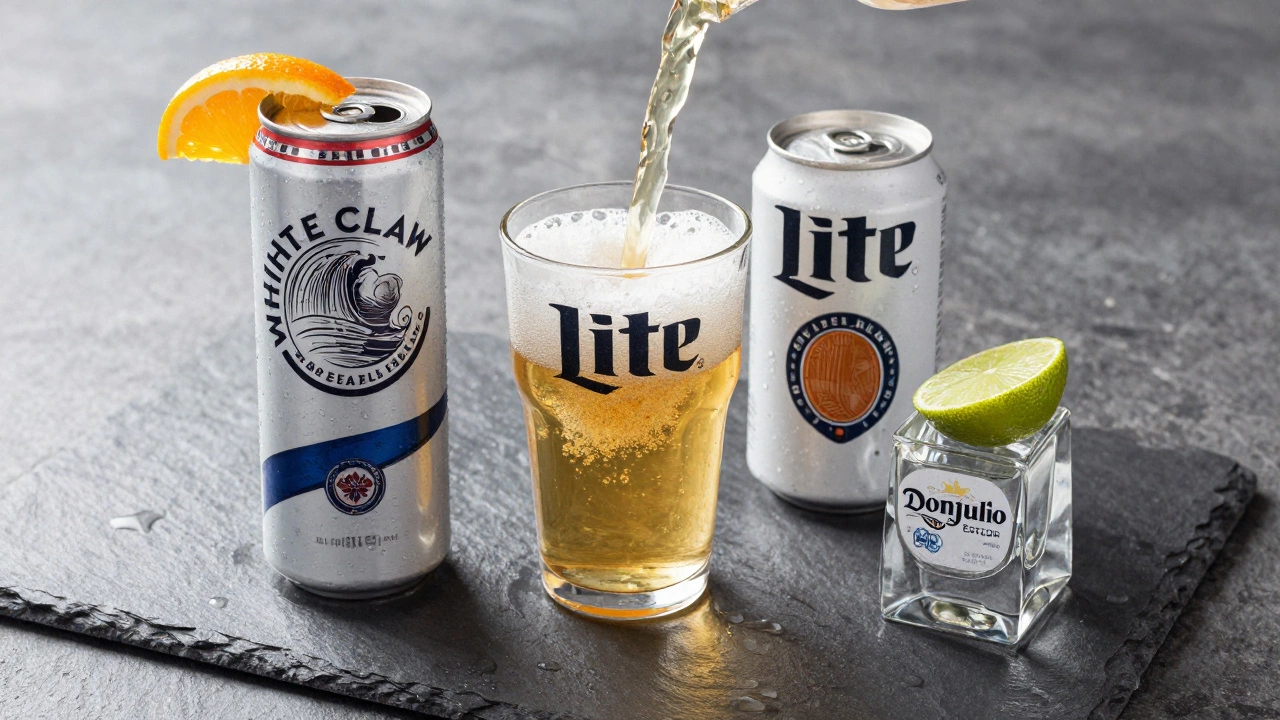
Brands like Miller Lite a widely available light lager with 96 calories and 3.2 grams of carbs, Coors Light a crisp, easy-drinking light beer with 102 calories, or Heineken 0.0 a non-alcoholic option with 69 calories and zero alcohol give you the beer experience without the baggage. Even better? Some newer craft light beers now use natural flavors and zero added sugar, making them even cleaner.
Pro tip: If you’re drinking beer, pour it into a glass. You’ll drink slower, savor it more, and naturally consume less.
Dry wines are your friend
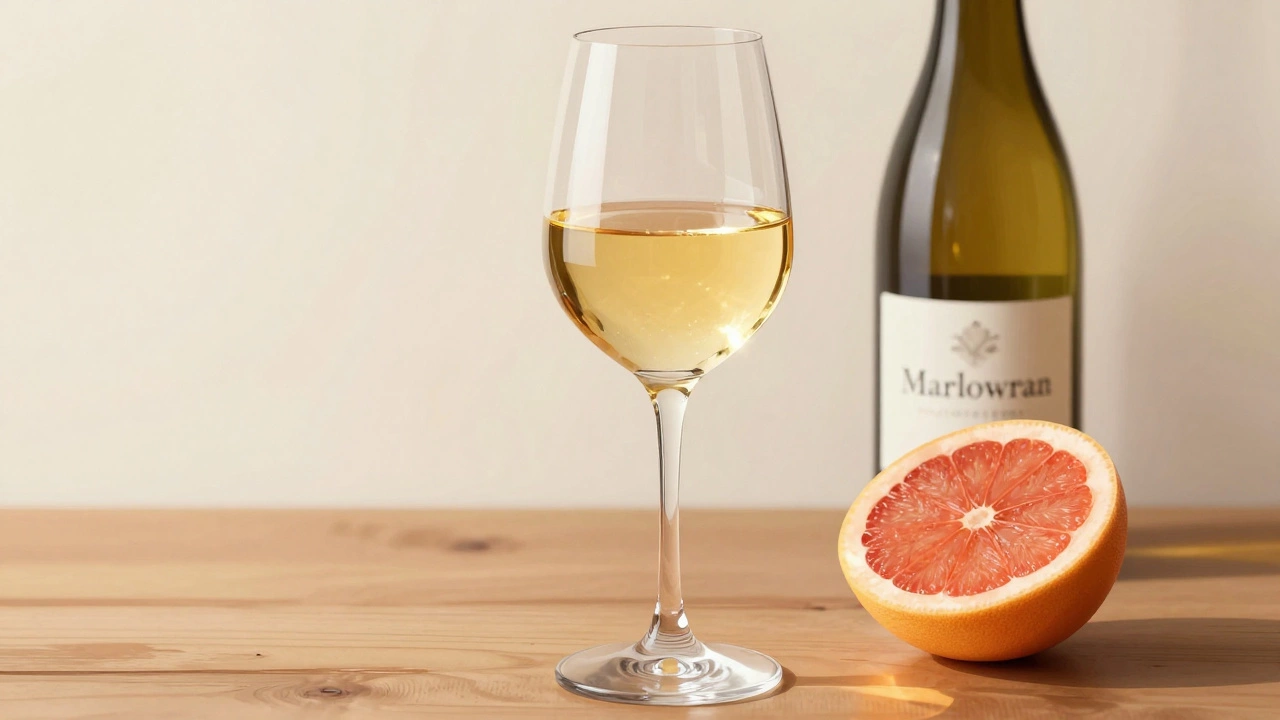
Wine doesn’t have to be a sugar bomb. The key is to look for “dry” wines-those with little to no residual sugar. Dry white wines like sauvignon blanc, pinot grigio, and chardonnay typically have 120-123 calories per 5-ounce glass. Dry reds like pinot noir, merlot, and cabernet sauvignon hover around 121-123 calories. That’s less than a small cookie.
What makes dry wine different? It’s fermented until almost all the natural grape sugar is turned into alcohol. Sweet wines-like moscato or riesling labeled “off-dry”-still have leftover sugar, which adds calories and spikes blood sugar. Stick to wines labeled “brut,” “dry,” or “sec.”
For whites, try Sauvignon Blanc from Marlborough, New Zealand known for its bright acidity and low residual sugar. For reds, Pinot Noir from Oregon or Burgundy a lighter-bodied red with earthy notes and moderate alcohol is a great pick. And if you like bubbles? Dry sparkling wines like Champagne specifically brut or extra-brut styles, Prosecco an Italian sparkling wine with crisp, fruity notes, or Cava Spain’s affordable sparkling alternative are naturally lower in sugar and often served in smaller pours, helping you drink less.
Hard seltzers and hard kombucha
These aren’t just trends-they’re legitimate alternatives. Brands like White Claw a hard seltzer with 100 calories, 2 grams of carbs, and no added sugar and Truly a hard seltzer with fruit juice for flavor but no added sugar have become staples for people who want something fizzy and flavorful without the sugar crash.
Hard kombucha, like Booch a fermented tea with live cultures and low sugar or Health-Ade a probiotic-rich hard kombucha with 90-100 calories, adds gut-friendly bacteria to the mix. It’s not a health drink, but it’s far better than a sugary cocktail.
Just watch out: some hard seltzers now have added juice or flavor syrups. Always check the label. If sugar is listed as an ingredient, skip it.
What to avoid
Here’s the short list of drinks that sabotage your goals:
- Regular cocktails-think margaritas, piña coladas, or daiquiris. They’re packed with syrups, juice, and cream.
- Sweet wines-moscato, dessert wines, and late-harvest rieslings can have 15-20 grams of sugar per glass.
- Regular beer-especially IPAs and stouts, which often exceed 200 calories.
- Flavored vodkas-many have added sugar under the guise of “natural flavor.” Always check the label.
- Tonic water and soda-even one can adds 100+ calories and 25+ grams of sugar.
These drinks don’t just add calories. They spike insulin, dehydrate you, and make it harder to sleep well. The next-day fog? That’s not just from alcohol-it’s from sugar.
Smart swaps that make a difference
You don’t have to drink the same way forever. Small tweaks add up:
- Swap tonic water for sparkling water + lime. Saves 100+ calories.
- Use fresh herbs-mint, rosemary, or basil-instead of syrup. Adds flavor, not sugar.
- Go for a 1-ounce pour instead of 1.5 ounces. Reduces calories by 30-40.
- Drink water before and after. Helps with hydration and reduces total intake.
- Use a smaller glass. You’ll naturally pour less.
One study from the University of Cambridge found that people who switched from sugary cocktails to clear spirits with soda water reduced their weekly alcohol calories by 40% without changing how often they drank. That’s not magic. That’s just smarter choices.
It’s not about perfection-it’s about balance
There’s no such thing as a “healthy” alcoholic drink. Alcohol is alcohol. But some drinks are less damaging than others. If you’re trying to maintain your weight, sleep better, or just feel less bloated, choosing low-sugar, low-calorie options makes a real difference.
You don’t need to give up your Friday night drink. You just need to make it count. A vodka soda with lime. A glass of dry sauvignon blanc. A hard seltzer with a twist of grapefruit. These aren’t sacrifices. They’re upgrades.
Drink less. Drink cleaner. Feel better.
Is non-alcoholic beer a healthier option than regular beer?
Yes, non-alcoholic beer is often healthier than regular beer. Most non-alcoholic beers have 20-60 calories per 12 oz, compared to 150-200 in regular beer. They also contain little to no alcohol, so they don’t affect sleep, hydration, or liver function the same way. Brands like Heineken 0.0 or Athletic Brewing Co. use natural ingredients and avoid added sugars, making them a smart swap for beer lovers.
Can I drink alcohol and still lose weight?
Absolutely-if you’re smart about it. Alcohol itself has 7 calories per gram, which is almost as dense as fat. But choosing low-calorie drinks like vodka soda, dry wine, or light beer lets you enjoy alcohol without derailing your calorie budget. The key is moderation: stick to one drink, skip sugary mixers, and always pair it with water. Many people find they lose weight faster once they cut out sugary cocktails and replace them with simpler options.
Why are clear spirits better than dark spirits?
Clear spirits like vodka and gin are distilled more times, which removes more impurities called congeners. Dark spirits like whiskey, rum, and brandy contain higher levels of congeners, which are linked to worse hangovers. While both have similar calorie counts, clear spirits are easier on your body the next day. That’s why many people report feeling less bloated and less sluggish after drinking vodka versus bourbon.
What’s the lowest-calorie alcoholic drink overall?
The lowest-calorie alcoholic drink is a 1.5-ounce shot of 80-proof vodka, gin, or white tequila served with sparkling water and lime. That combo is about 97 calories and zero sugar. If you want zero alcohol, non-alcoholic sparkling wines like Freixenet Zero or Ariel have as few as 30-40 calories per glass. But if you’re choosing alcohol, clear spirits with soda water win every time.
Does drinking wine have any health benefits?
Dry red wine contains resveratrol, a compound found in grape skins that may help reduce inflammation and support heart health. But the benefit only shows up with very moderate intake-about one 5-ounce glass per day. More than that, and the risks outweigh the benefits. It’s not a health supplement. It’s a drink that happens to have a few beneficial compounds. Don’t start drinking wine for health reasons. But if you already drink, choosing dry red over sweet white is a smarter move.





Categories