Coffee Passport Tasting Simulator
Simulate the Starbucks Coffee Passport experience. Select a coffee origin and brewing method to generate potential flavor notes, or use the manual entry form to log your own tasting session.
Log Your Tasting Session
Your Digital Passport
0 EntriesAdd your first tasting above!
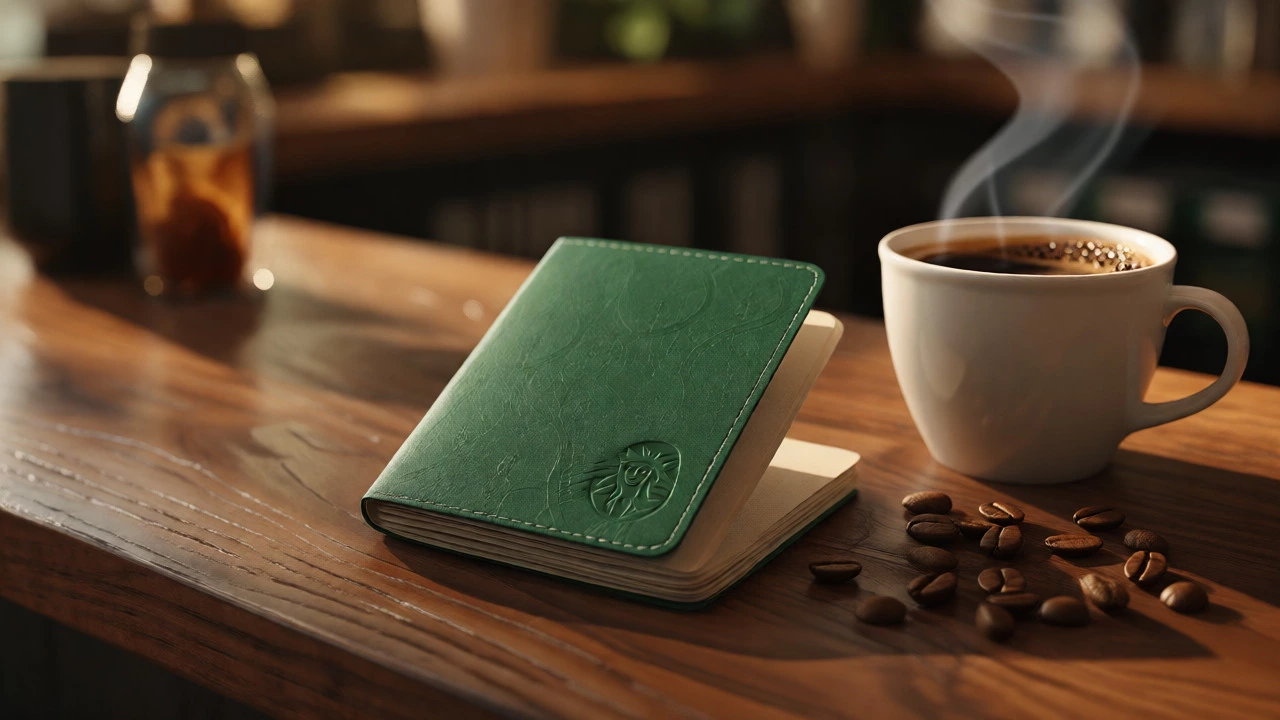
You’ve probably seen the small, pocket-sized booklet tucked into apron pockets at your local Starbucks. It looks like a travel document, but it’s not for flying-it’s for flavor. This is the Starbucks Coffee Passport, a structured tool designed to teach both employees and customers how to taste, describe, and remember coffee. If you’ve ever wondered why some baristas can instantly tell you if a bean is from Ethiopia or Colombia just by sniffing it, this passport is often their secret weapon.
The concept isn’t new; Starbucks introduced it in the early 1990s. Back then, it was strictly an internal training device for "partners" (what Starbucks calls its employees). The idea was simple: turn coffee drinking into a systematic learning process. Instead of just gulping down caffeine, partners had to document each coffee they tasted, noting origin, flavor notes, and brewing methods. Over time, this evolved from a strict corporate requirement into a consumer-facing guide, especially popular in markets like Japan. Today, as of October 2026, the physical passport remains active in retail training and Japanese consumer programs, while the global digital version has largely been replaced by QR codes on bags. But the core mission hasn’t changed: helping you understand what’s actually in your cup.
How the Physical Passport Works
If you pick up a physical Coffee Passport today, you’ll find it’s much more than a notebook. It’s a guided curriculum. For new Starbucks partners, completing the passport is a mandatory part of onboarding. They have 90 days from their hire date to finish it. This isn’t just busywork; it’s how they build the sensory vocabulary needed to work behind the counter. The booklet guides them through the journey of coffee-from farm to cup-covering growing regions, processing methods (like washing or drying), and roasting profiles.
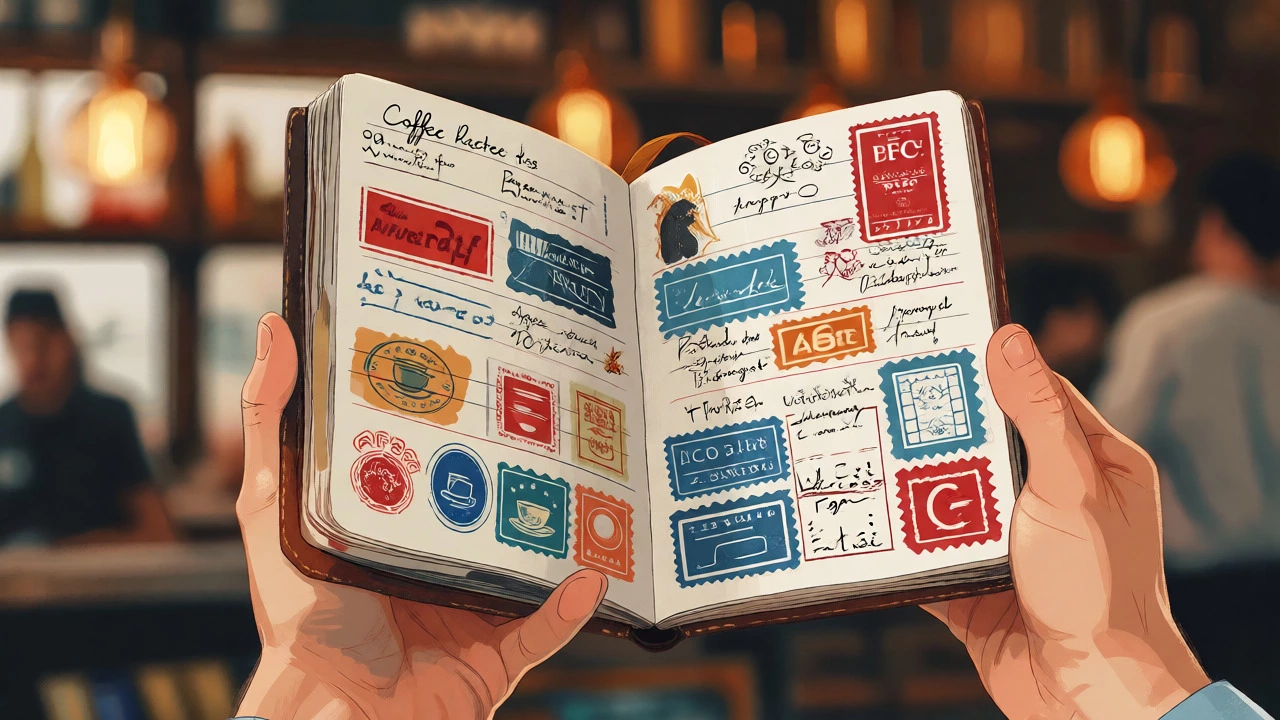
Each entry in the passport corresponds to a specific coffee. Partners are expected to taste the coffee, write personal descriptions of the experience, and then apply a stamp or sticker to mark it as complete. This tactile element is crucial. It transforms abstract flavors into concrete achievements. By the end of the process, a partner might have documented over 16 core coffees, creating a personalized record of their palate development. For customers, particularly in Japan, the format is similar but less rigid. You can ask for a free booklet when buying beans, and it serves as a log for your own tasting adventures.
The Role in Barista Training
Why does Starbucks insist on this? Because consistency matters. With thousands of stores worldwide, ensuring every barista understands the product line is a massive challenge. The Coffee Passport standardizes knowledge. It ensures that a partner in Edinburgh and a partner in Tokyo are using similar language to describe acidity, body, and aroma. The training materials suggest that mastering these basics takes about three months, with full proficiency taking up to six months.
But it’s not just for new hires. To qualify for advanced roles like "Coffee Master," partners must have completed a passport within the last year. This keeps their knowledge fresh. It forces them to re-taste and re-evaluate coffees regularly, preventing skill decay. In practice, this means the passport is a living document throughout a partner’s career, not just a one-time checklist. It encourages continuous engagement with the product, which translates directly to better recommendations for you, the customer.
Consumer Experience: The Japan Model
While the global rollout of consumer passports has fluctuated, Japan has kept the tradition alive and thriving. Here, the Starbucks Coffee Passport is marketed explicitly as a way for customers to "travel through coffee production regions." You don’t need to be an employee to get one. Simply buy coffee beans or attend a seminar, and you can request the booklet. It includes sections on tasting methods, brewing tips, and sourcing stories.
The Japanese approach emphasizes creativity and personalization. Customers aren’t just filling out forms; they’re curating a collection. Pages include fields for flavor impressions, food pairings, and even sketches. Some users treat it like an art project, decorating pages with stickers and notes. This turns coffee consumption into a hobby rather than a routine. Plus, there’s a digital component called "My Coffee Passport" in the Starbucks Japan app, which automatically logs purchased beans, bridging the gap between analog journaling and digital convenience.
Digital Evolution and QR Codes
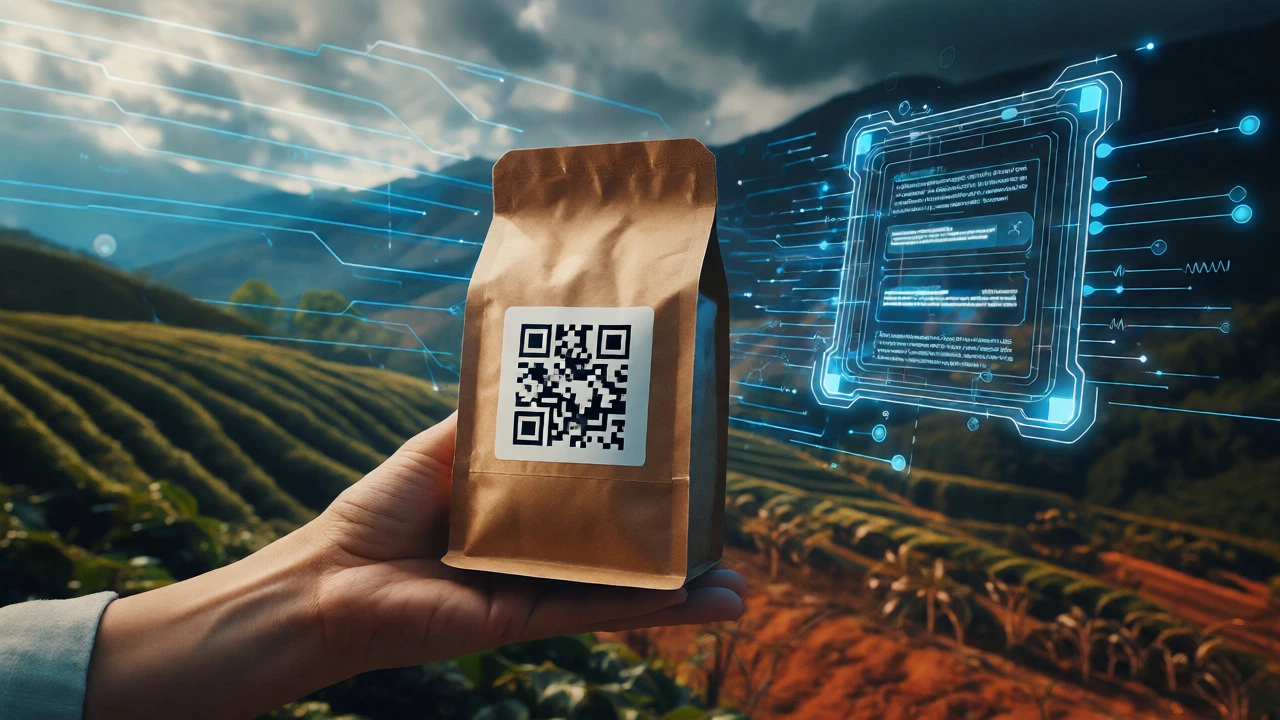
Technology has inevitably impacted the passport. Around 2018, Starbucks launched a digital version via the Global Coffee Academy web app. This allowed users to explore modules online, access glossaries, and track progress digitally. However, by 2023-2024, this centralized digital platform was phased out globally. Why? The shift toward traceability. Now, instead of a single app tracking all your tastings, individual coffee bags feature QR codes linking to specific fact sheets. These sheets detail the farm, cooperative, processing method, and flavor notes for that exact batch.
| Feature | Physical Passport | Global Digital Passport (Retired) | QR Traceability Sheets |
|---|---|---|---|
| Primary User | Partners & Japanese Consumers | Global Partners & Customers | All Customers |
| Format | Pocket-sized booklet with stamps | Web/App-based modules | Online micro-sites per bag |
| Focus | Longitudinal tasting history | Structured learning paths | Single-coffee origin data |
| Status (2026) | Active in training & Japan | Phased out | Standard on packaging |
This change reflects a broader industry trend toward transparency. While the QR codes provide deep information on a single coffee, they lack the longitudinal view of the passport. You can’t see your progression over years with a QR code alone. That’s why many enthusiasts still prefer the physical booklet-it tells the story of your palate, not just the story of the bean.
How to Use Your Own Passport
If you want to start your own tasting journey, you don’t necessarily need to work at Starbucks. In regions where the consumer program is active, grab a booklet. If not, you can replicate the system with a simple notebook. Here’s how to get the most out of it:
- Taste Mindfully: Don’t just drink. Smell the grounds first. Note the aroma. Then sip slowly, letting the coffee coat your tongue.
- Describe Specifically: Avoid vague terms like "good" or "bad." Use descriptors like "citrus," "chocolate," "nutty," or "floral." Mention acidity (bright vs. mellow) and body (light vs. heavy).
- Record Context: Note the brew method (drip, espresso, French press) and water temperature. These variables drastically change the flavor profile.
- Pair with Food: Did the coffee go well with a croissant or dark chocolate? Record these pairings. They help you understand balance and contrast.
- Review Regularly: Look back at old entries. You’ll notice your preferences shifting. Maybe you used to hate light roasts but now appreciate their complexity.
Some people find it helpful to assign a rating scale, though Starbucks doesn’t mandate one. Others focus purely on descriptive words. The key is consistency. If you always note acidity, you’ll eventually recognize patterns across origins.
Common Misconceptions
A common confusion is thinking the passport is a loyalty card. It’s not. You don’t earn points for stamps. It’s an educational tool. Another myth is that it’s only for experts. Actually, it’s designed for beginners. The prompts guide you on what to look for, lowering the barrier to entry for serious tasting.
Also, don’t worry if you miss a coffee. The passport isn’t a test you pass or fail. It’s a record. Even Starbucks partners sometimes struggle to define certain flavors. That’s normal. Sensory skills develop over time, and the passport is there to capture that growth, not judge it.
Is the Starbucks Coffee Passport free?
Yes, the physical booklet is generally free. Partners receive it as part of their training kit. Customers in eligible markets (like Japan) can get one for free when purchasing coffee beans or attending a seminar. You only pay for the coffee itself.
Can I buy a Starbucks Coffee Passport separately?
Typically, no. It is distributed as a promotional item or training material, not sold as a standalone commercial product. Availability depends on store inventory and regional programs.
Does the digital Coffee Passport still exist?
The global digital passport was phased out around 2023-2024. It has been replaced by QR codes on coffee bags that link to specific fact sheets. However, the "My Coffee Passport" feature remains active in the Starbucks Japan app, logging purchase history.
Do I need to be a barista to use it?
No. While it originated as a training tool for employees, it is widely used by consumers interested in learning about coffee origins and flavor profiles. No prior expertise is required.
What happens if I lose my passport?
You can usually request a replacement booklet at a participating Starbucks location, especially if you are buying beans. Since it’s a free distribution item, replacements are typically available upon request without penalty.



Categories