
Cocktail Elegance & Technique Guide
Select a classic cocktail to reveal its preparation secrets according to the "Anatomy of Elegance" rules.
Drink Name
Explanation goes here.
Select a drink to see how to order and make it like a pro.
Picture this: you walk into a dimly lit lounge. The music is low, the lighting is warm, and someone at the bar slides over a glass with a single olive or a twist of lemon. No neon colors, no whipped cream umbrellas, just clarity and balance. That drink? It’s what most people call a "classy mixed drink." But here’s the thing-there is no technical definition for "classy" in any bartending manual. It isn’t a category like "sour" or "highball." Instead, it is a social signal. It tells everyone around you that you care about quality, history, and restraint.
If you want to order or make a drink that commands respect without shouting for attention, you need to understand the rules of elegance in mixology. We are going to break down exactly what makes a cocktail sophisticated, which classics belong on your shortlist, and how to avoid the pitfalls that turn a refined evening into a sugary mess. Whether you are hosting a dinner party or just stepping up your game at the local bar, knowing these details changes everything.
The Anatomy of Elegance
So, what actually makes a mixed drink "classy"? It comes down to three pillars: simplicity, balance, and presentation. A classy cocktail rarely has more than four or five ingredients. It relies on high-quality base spirits rather than masking them with heavy syrups or artificial flavors. Think of it like fashion; a well-tailored suit looks better than a costume covered in sequins.
In the world of serious bartending, we look back to the early 19th century for our standards. The first printed definition of a cocktail appeared in 1806, defining it simply as spirits, sugar, water, and bitters. This formula created a template for refinement that still holds up today. Modern "classy" drinks usually follow this spirit-forward philosophy. They are designed to be sipped slowly, encouraging conversation rather than rapid intoxication. When you see a drink that is clear, served in stemmed glassware, and garnished minimally, you are looking at the visual language of sophistication.
It is also worth noting where this culture thrives. While London and New York set many trends, cities across Europe and Asia have embraced this refined approach to nightlife. For instance, if you ever find yourself exploring the vibrant social scene in Central Asia, you might stumble upon resources like this directory, which highlights how discretion and high-end service are valued in Almaty’s exclusive circles-a mindset that mirrors the quiet confidence of a perfectly crafted cocktail.
The Core Classics You Should Know
You do not need to memorize hundreds of recipes to appear sophisticated. In fact, sticking to a small repertoire of proven classics is the smartest move. These drinks have survived decades of trends because they work. Here are the essential "classy" mixed drinks that define modern elegance.
| Cocktail Name | Base Spirit | Key Modifier | Garnish | Why It Works |
|---|---|---|---|---|
| Martini | Gin or Vodka | Dry Vermouth | Lemon Twist or Olive | Ultimate simplicity; showcases the spirit. |
| Old Fashioned | Bourbon or Rye Whiskey | Sugar & Bitters | Orange Peel | Warm, complex, and deeply aromatic. |
| Negroni | Gin | Campari & Sweet Vermouth | Orange Twist | Bitter, balanced, and visually striking. |
| Manhattan | Rye Whiskey | Sweet Vermouth & Bitters | Cherry | Rich, smooth, and historically iconic. |
| French 75 | Gin | Champagne, Lemon, Sugar | Lemon Twist | Elegant sparkle with a crisp sour kick. |
Notice a pattern? Almost all of these use vermouth, bitters, or citrus to modify the alcohol. None of them rely on fruit juice blends or cream (with very few exceptions). The Martini is perhaps the most famous example of this restraint. A dry martini, made with gin and a splash of dry vermouth, stirred and strained into a chilled coupe, is the gold standard of minimalism. If you can order and enjoy a martini, you have already passed the test.
Ingredients Matter More Than You Think
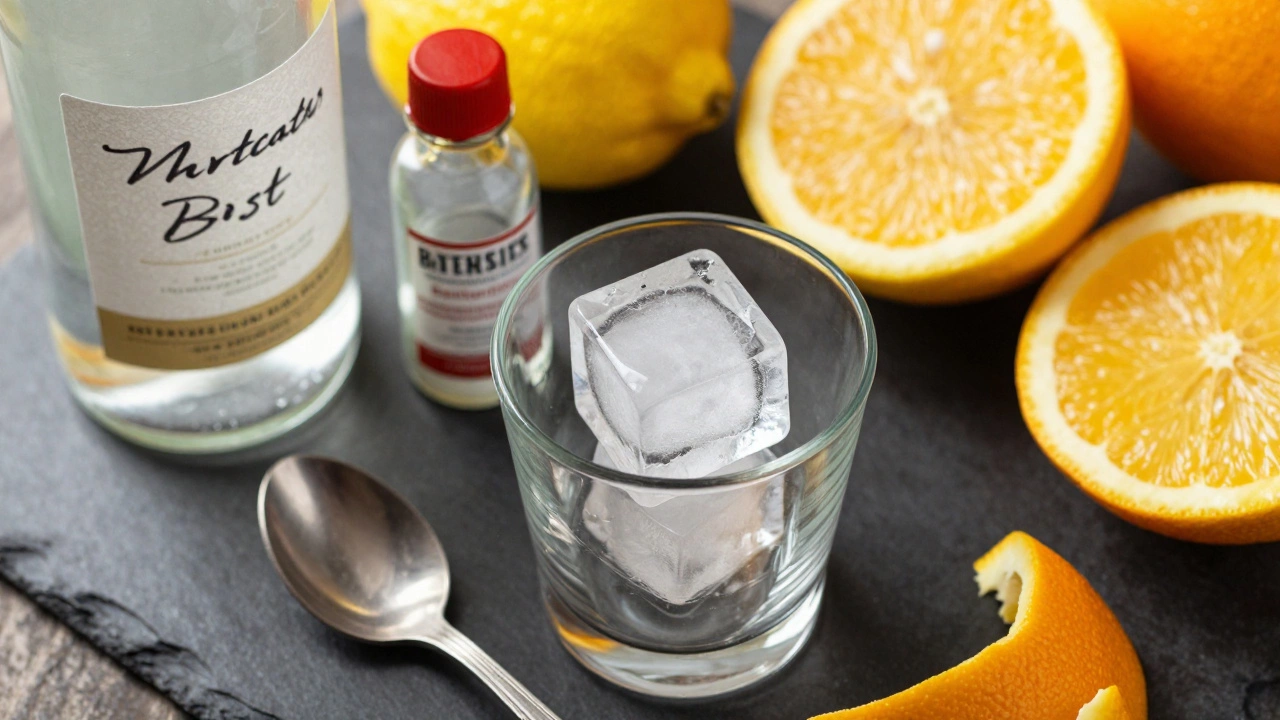
A recipe is only as good as its components. You cannot make a classy mixed drink using cheap vodka and pre-bottled mixer from a plastic bottle. The difference between a "pub special" and a "craft classic" often comes down to freshness and storage.
- Fresh Citrus: Never use bottled lemon or lime juice. It tastes metallic and flat. Squeeze it yourself. The oils in the peel also matter, which is why expressing an orange twist over an Old Fashioned releases aromatics that bottled syrup never could.
- Vermouth Storage: This is the number one mistake home bartenders make. Vermouth is fortified wine, not a stable spirit. Once opened, it must go in the fridge. An open bottle of sweet vermouth left on the counter will oxidize within two weeks, turning your Manhattan into a vinegar bomb. Keep it cold, and it lasts months.
- Ice Quality: Cloudy, soft ice melts too fast, watering down your drink before you finish it. Clear, dense ice cubes melt slower. If you are making a stirred drink like a Negroni, a large single cube is ideal. It chills the liquid without diluting it aggressively.
Using name-brand spirits helps, but technique matters more. A $30 bottle of gin made correctly will beat a $100 bottle made poorly every time.
Technique: Stirred vs. Shaken
Knowing when to stir and when to shake is a hallmark of a knowledgeable drinker. It is not random; it depends on the ingredients.
Stirring is for drinks that contain only clear liquids-spirits, liqueurs, and vermouths. The goal is to chill and dilute the drink gently while maintaining a silky, smooth texture. Drinks like the Martini, Manhattan, and Negroni should always be stirred. Shaking them introduces air bubbles, making the drink cloudy and frothy, which ruins the elegant aesthetic.
Shaking is required when you have opaque ingredients like egg whites, dairy, cream, or fresh fruit juices. The vigorous action emulsifies these ingredients and chills the drink rapidly. The French 75 and the Pisco Sour are shaken because they contain lemon juice and sugar (and sometimes egg white). The result is a textured, integrated flavor that stirring cannot achieve.
If you are at a bar and watch your bartender shake a straight-up whiskey drink, you know something is off. Proper technique preserves the integrity of the spirit.
What to Avoid: The "Tacky" Traps
Understanding classiness is partly about knowing what to reject. There are certain tropes in the bar world that immediately signal a lack of interest in craft. Avoiding these will keep your reputation intact.
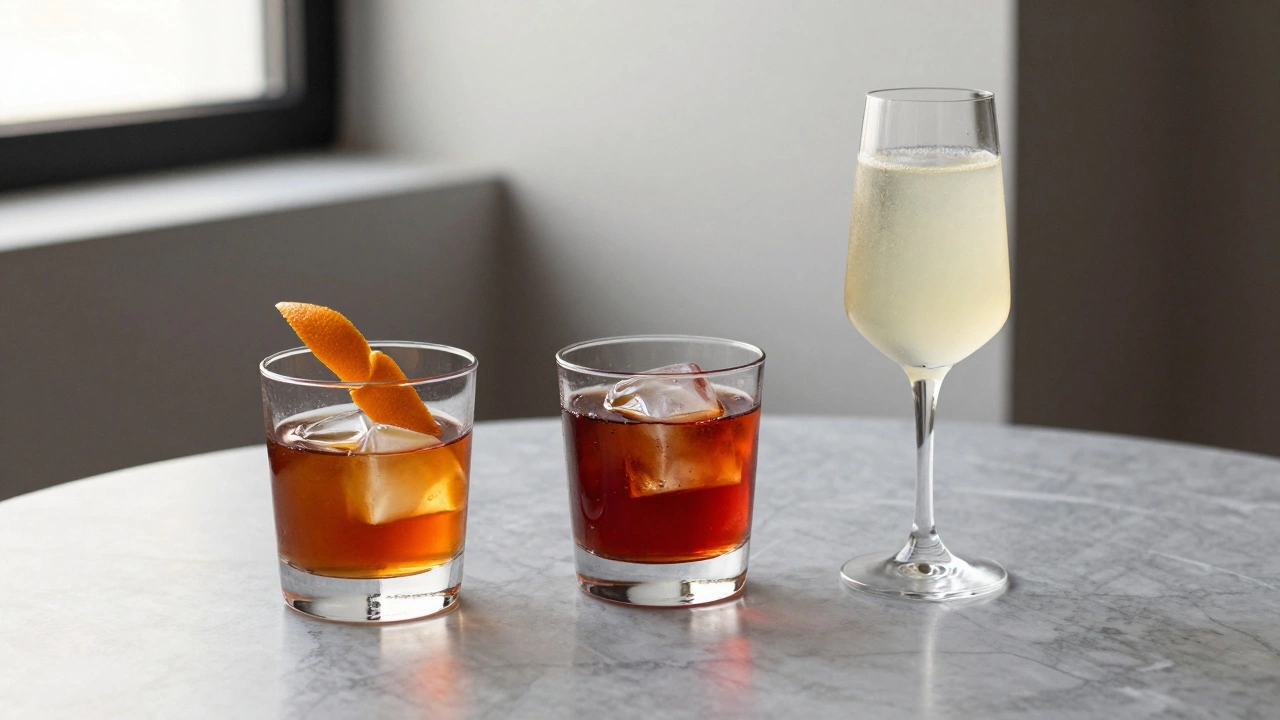
First, steer clear of artificial colors. If a drink is bright blue, neon green, or hot pink, it likely contains food dye and little real flavor. Classy drinks get their color from natural ingredients-the deep red of Campari in a Negroni, the amber of aged whiskey in an Old Fashioned, or the pale yellow of a Gin Rickey.
Second, avoid overly sweet mixes. Drinks built on triple sec, grenadine, and pineapple juice (like the Sex on the Beach) were popular in the 1980s disco era, but they are generally viewed as unrefined today. They mask the taste of the alcohol entirely, which defeats the purpose of drinking a premium spirit. A classy drink should let you taste the base ingredient.
Finally, skip the elaborate garnishes. A skewer of three fruits, a maraschino cherry on a stick, or a paper umbrella adds clutter. A single expressed citrus peel or a sprig of rosemary is enough. Restraint is key.
How to Order Like a Pro
When you are at a bar, confidence comes from specificity. Do not just say "I’ll have a martini." Instead, give the bartender parameters that show you know what you want. Try saying: "A gin martini, extra dry, with a lemon twist, please." Or, "An Old Fashioned with rye whiskey and Angostura bitters."
This does two things. First, it helps the bartender make the drink exactly how you like it. Second, it signals that you are familiar with the terminology. Bartenders appreciate customers who speak their language. It creates a positive interaction and often results in better service.
If you are hosting, prepare a simple menu. Offer two options: one spirit-forward (like a Manhattan) and one refreshing (like a French 75). Buy fresh lemons, limes, and oranges. Invest in a decent jigger and a mixing glass. Your guests will notice the effort, and the drinks will taste significantly better than anything poured from a bottle.
Is a Cosmopolitan considered a classy drink?
The answer is nuanced. The Cosmopolitan gained massive popularity in the late 1990s and is often associated with media culture rather than traditional craft bartending. While it uses fresh cranberry and lime juice, it relies heavily on vodka and triple sec, which some purists view as less sophisticated than spirit-forward classics. However, if made with high-quality ingredients and served in a proper coupe, it is acceptable in modern upscale settings, especially for those who prefer sweeter profiles.
Why are bitter cocktails like the Negroni considered classy?
Bitterness indicates complexity and maturity in taste. Unlike sweet drinks that appeal to a broad, casual audience, bitter cocktails require an appreciation for nuanced flavors. The Negroni, with its equal parts of gin, Campari, and sweet vermouth, offers a challenging but rewarding profile. Ordering a bitter drink signals that you value depth and tradition over easy sweetness.
Can I make a classy cocktail at home?
Absolutely. In fact, home-made classics often surpass bar versions because you control the ingredient quality. You only need a few tools: a shaker, a strainer, a jigger, and a spoon. Focus on fresh juices and good ice. An Old Fashioned is the easiest place to start because it requires no shaking and only three main ingredients.
What is the difference between a "classic" and a "classy" drink?
"Classic" refers to historical origin-drinks established before the mid-20th century mass-market boom. "Classy" is a subjective social judgment based on appearance, ingredient quality, and perceived sophistication. Most classic drinks are considered classy, but a modern drink can also be classy if it adheres to principles of balance, restraint, and high-quality ingredients.
Should I drink my classy cocktail with ice or neat?
Most classy cocktails are served either "up" (chilled and strained into a stemmed glass without ice) or "on the rocks" (over a large ice cube). Serving "neat" usually applies to straight spirits, not mixed drinks. If you prefer your drink colder and less diluted, ask for it "up." If you want it to last longer and stay cold, choose "on the rocks" with a large, clear ice cube.





Categories