Cocktail Finder Tool
What base spirit do you prefer?
Gin
Botanical, herbal, citrusy
Rum
Sweet, tropical, sometimes funky
Tequila
Agave-forward, earthy, peppery
Whiskey/Bourbon
Rich, woody, caramel notes
Vodka
Neutral, lets other flavors shine
Brandy/Cognac
Fruity, complex, warm
What flavor profile are you craving?
Sweet
Liqueurs, fruit purées, honey
Sour
Citrus juice, sugar, refreshing
Bitter
Campari, Aperol, bitters
Spicy
Ginger, chili, cinnamon
Light & Refreshing
Low alcohol, sessionable
Strong & Bold
Spirit-forward, boozy
What's the occasion?
Before Dinner
Aperitif, appetizer starter
Social Gathering
Parties, celebrations
Relaxation
Quiet evening, unwinding
Date Night
Romantic, sophisticated
Summer Day
Hot weather, outdoor events
Winter Evening
Cold weather, cozy vibes
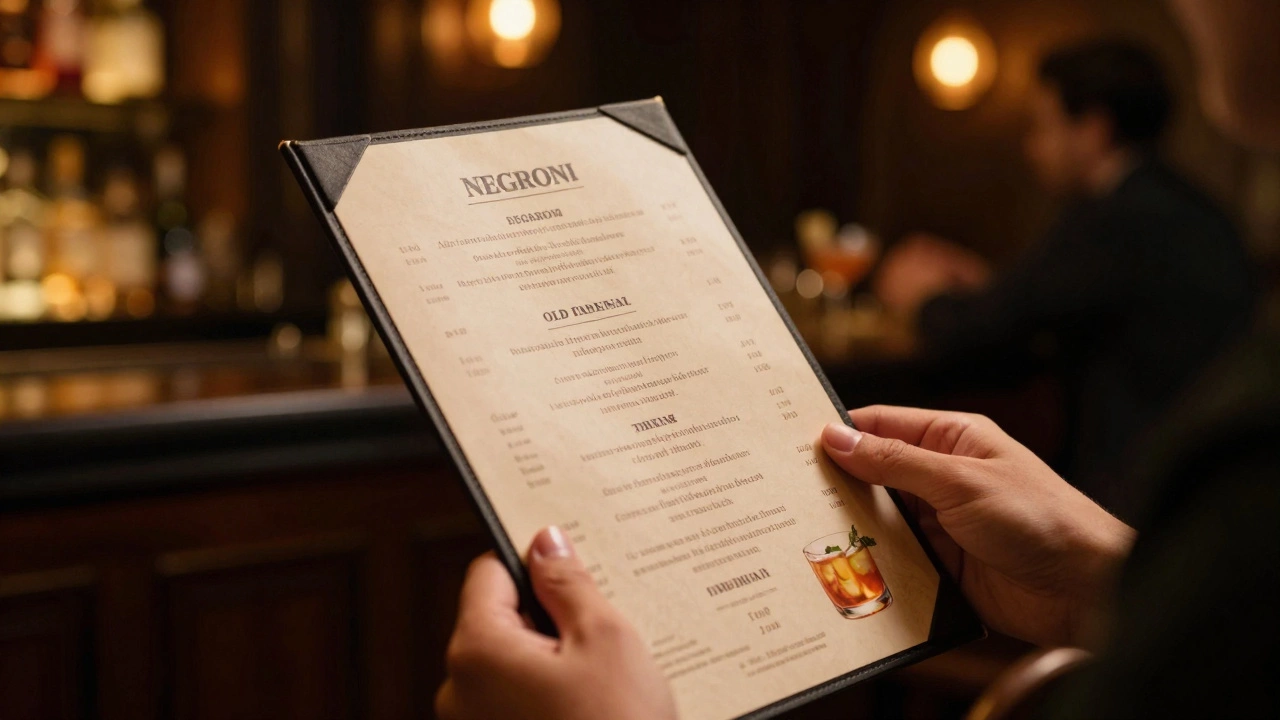
Staring at a cocktail menu with 30+ options can feel overwhelming. You might want something refreshing, but you’re not sure if a Negroni is a bitter Italian aperitif made with gin, Campari, and sweet vermouth will taste like medicine or magic. Or maybe you just want a drink that won’t knock you out by midnight. Choosing a cocktail isn’t about guessing; it’s about knowing your preferences and translating them into a language bartenders understand.
The good news? You don’t need to memorize the entire International Bartenders Association (IBA) list of 102 official cocktails that serve as global benchmarks for mixology standards. You just need a simple framework. By focusing on base spirits, flavor profiles, and alcohol strength, you can confidently pick a drink that suits your mood, the occasion, and your palate every single time.
Start With Your Base Spirit
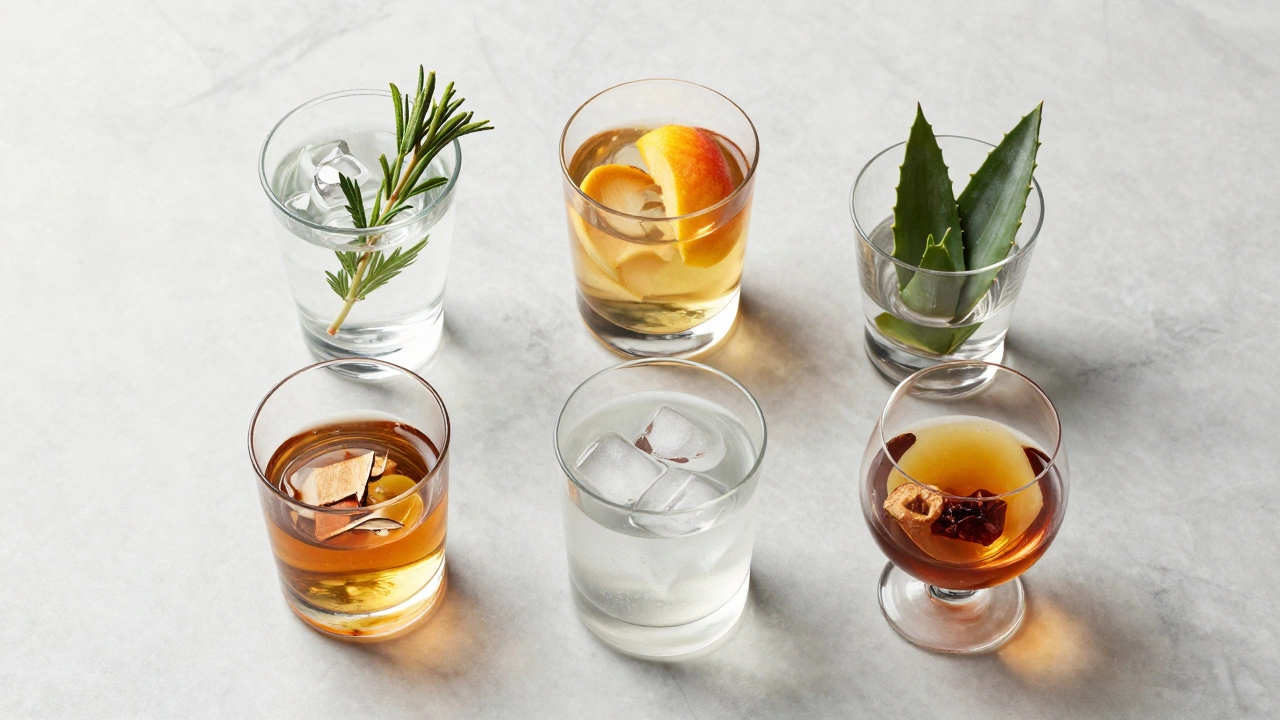
The easiest way to narrow down choices is to start with the spirit you already like. Most classic cocktails are built around one primary alcohol: gin, vodka, rum, tequila, whiskey, or brandy. If you enjoy drinking whiskey neat or in a simple highball, you’ll likely appreciate an Old Fashioned is a spirit-forward cocktail made with whiskey, sugar, and bitters, emphasizing the pure flavor of the base liquor. If you prefer the crispness of gin and tonic, a Dry Martini is a classic cocktail combining gin and dry vermouth, known for its strong, botanical profile or a Tom Collins is a fizzy, refreshing gin sour made with lemon juice, sugar, and soda water will be right up your alley.
Think of the base spirit as the foundation of a house. Even if the bartender adds fancy syrups or exotic garnishes, that foundation dictates the core character of the drink. Here is a quick cheat sheet:
- Gin: Botanical, herbal, often citrusy. Try a Gin & Tonic, Negroni, or Gimlet.
- Rum: Sweet, tropical, sometimes funky. Try a Daiquiri, Mojito, or Cuba Libre.
- Tequila: Agave-forward, earthy, or peppery. Try a Margarita or Paloma.
- Whiskey/Bourbon: Rich, woody, caramel notes. Try an Old Fashioned, Whiskey Sour, or Manhattan.
- Vodka: Neutral, letting other flavors shine. Try a Moscow Mule or Cosmopolitan.
- Brandy/Cognac: Fruity, complex, warm. Try a Sidecar or Alexander.
Decode the Flavor Profile
Once you’ve picked your spirit, ask yourself: what taste do you crave? Professional mixologists break down cocktail flavors into five main categories: sweet, sour, bitter, spicy, and salty. Knowing which one you prefer helps you communicate clearly with the bartender.
| Flavor Profile | Key Ingredients | Classic Example | Best For |
|---|---|---|---|
| Sweet | Liqueurs, fruit purées, honey | Bellini, Amaretto Sour | Brunch, dessert pairing |
| Sour | Citrus juice (lemon/lime), sugar | Daiquiri, Whiskey Sour | Refreshing afternoons, food pairing |
| Bitter | Campari, Aperol, bitters | Negroni, Americano | Aperitifs, coffee lovers |
| Spicy | Ginger, chili, cinnamon | Moscow Mule, Spiced Margarita | Cold weather, appetite stimulation |
| Salty | Salt rim, saline solution | Margarita | Enhancing sweetness and acidity |
If you love lemonade, go for a sour profile. If you enjoy dark chocolate or espresso, a bitter drink like a Negroni might surprise you with its depth. Use tools like the Illustrated Bartender’s Cocktail Flavor Wheel to visualize how ingredients pair. For instance, if you like stone fruits, look for cocktails featuring peach or apricot liqueurs. This moves you beyond vague requests like “something fruity” to specific orders like “a gin drink with peach notes.”
Consider Alcohol Strength and Occasion
Not all cocktails are created equal when it comes to potency. A long evening with friends requires a different approach than a quick pre-dinner drink. Modern menus often use descriptive labels to help you gauge strength.
Look for words like “sessionable,” “light,” or “low-ABV” if you plan to sip slowly over several hours. These drinks typically feature more juice, soda, or fortified wines, keeping the alcohol content manageable. Conversely, terms like “spirit-forward,” “boozy,” or “stiff” indicate higher alcohol concentrations, perfect for sipping slowly but not ideal for rapid consumption.
Context matters too. At a summer outdoor wedding, a spritz-style cocktail built on lighter spirits like Aperol or gin feels appropriate. In a cozy December bar, a richer, darker drink like an Old Fashioned or a brandy-based Alexander is a creamy, rich cocktail made with brandy, crème de cacao, and cream fits the vibe better. Think about the temperature, the food you’ll eat, and how long you intend to stay.
Understand Cocktail Architecture
Most cocktails follow a few basic structural templates. Recognizing these can help you predict what a drink will taste like even if you haven’t tried it before.
- The Sour: Spirit + Citrus + Sweetener. Examples: Margarita, Daiquiri, Sidecar. Refreshing and balanced.
- The Old Fashioned Family: Spirit + Sugar + Bitters. Examples: Old Fashioned, Boulevardier. Strong and aromatic.
- The Highball: Spirit + Carbonated Mixer. Examples: Gin & Tonic, Whiskey Soda. Light and effervescent.
- The Flip/Dessert: Spirit + Egg/Cream + Sugar. Examples: Alexander, Brandy Flip. Creamy and indulgent.
If you know you love a Margarita (a tequila sour), you can safely try a Daiquiri (rum sour) or a Whiskey Sour. The structure remains the same-tart, sweet, and refreshing-but the spirit changes the flavor profile. This reduces risk and encourages exploration.
Communicate Clearly with Your Bartender
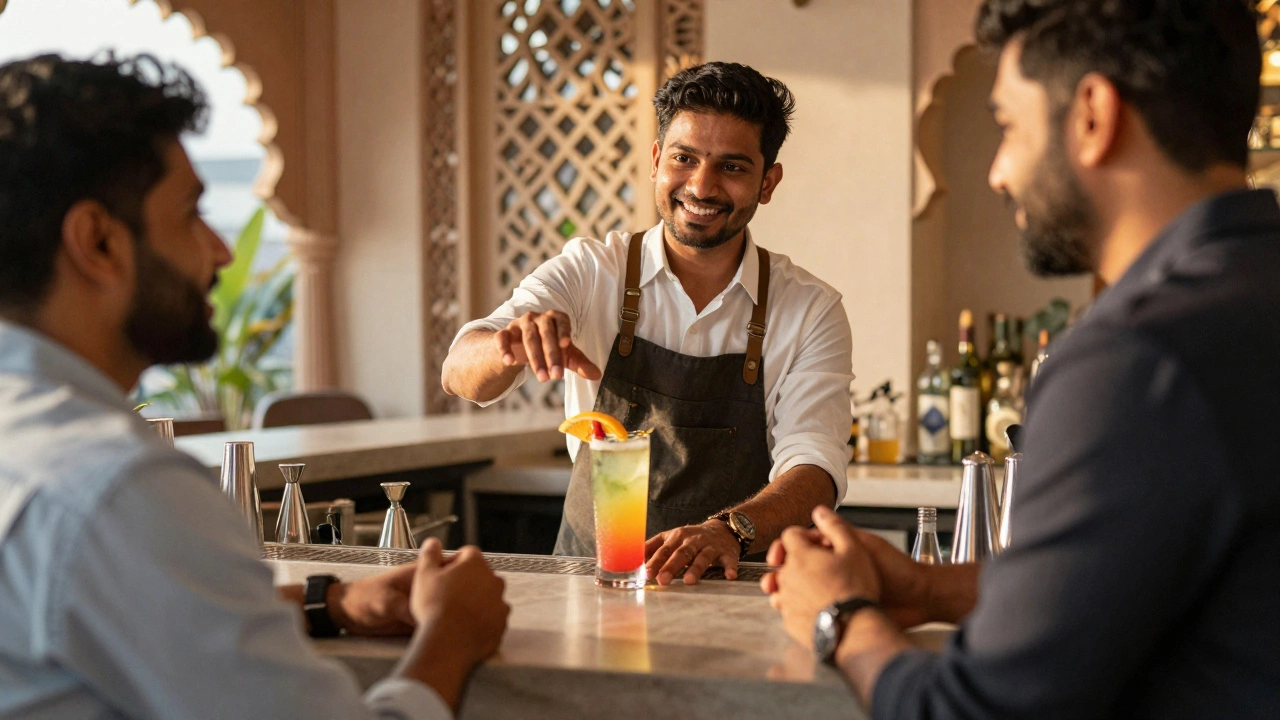
Your bartender is your best resource. Instead of saying “I don’t know what to get,” provide specific constraints. Tell them what you like and, crucially, what you dislike. “I enjoy gin but hate overly sweet drinks” or “I’m looking for something light and citrusy with low alcohol” gives them clear direction.
Don’t be afraid to ask questions. “Is this drink bitter?” or “What’s the dominant flavor?” shows engagement and helps the bartender tailor their recommendation. Many experienced bartenders appreciate guests who offer concrete feedback, as it allows them to craft a better experience for you.
Use Digital Tools and Resources
In 2026, technology aids decision-making. Websites like Whatsyourcocktail.com act as recommendation engines, filtering hundreds of recipes based on your inputs. Additionally, open-source datasets of the IBA’s 102 official cocktails allow developers to build apps that suggest drinks based on available ingredients or flavor preferences. While nothing replaces a skilled bartender, these tools can help you prepare before you step into a bar or host a party at home.
What is the safest cocktail to order if I don't like strong alcohol?
Opt for highballs or spritzes. Drinks like a Gin & Tonic, Cuba Libre (rum and cola), or an Aperol Spritz have lower alcohol concentrations due to the large volume of mixer or soda. Look for menu labels like "sessionable" or "light."
How do I choose a cocktail if I'm sensitive to bitterness?
Avoid drinks featuring Campari, Aperol, or Cynar unless they are heavily diluted. Stick to sour profiles (like Daiquiris or Margaritas) or sweet profiles (like Bellinis). Explicitly tell the bartender you prefer low bitterness.
What does "IBA Official Cocktail" mean?
The International Bartenders Association (IBA) maintains a standardized list of 102 cocktails. These are considered classics or contemporary staples worldwide. Ordering an IBA cocktail ensures consistency in recipe and presentation across most professional bars.
Can I customize a cocktail to my taste?
Yes, but within reason. You can ask for less sugar, extra lime, or a different spirit substitution (e.g., vodka instead of gin). However, avoid asking for multiple major changes, as this disrupts the balance of the drink. It's often better to let the bartender adjust slightly rather than reinventing the recipe.
Why do some cocktails have egg whites?
Egg whites add texture and foam, creating a silky mouthfeel and visual appeal. They also mellow out sharp acids. If you're concerned about raw eggs, many bars use pasteurized egg products or aquafaba (chickpea water) as a vegan alternative.



Categories